Umbra
Object design: Arcano
2026
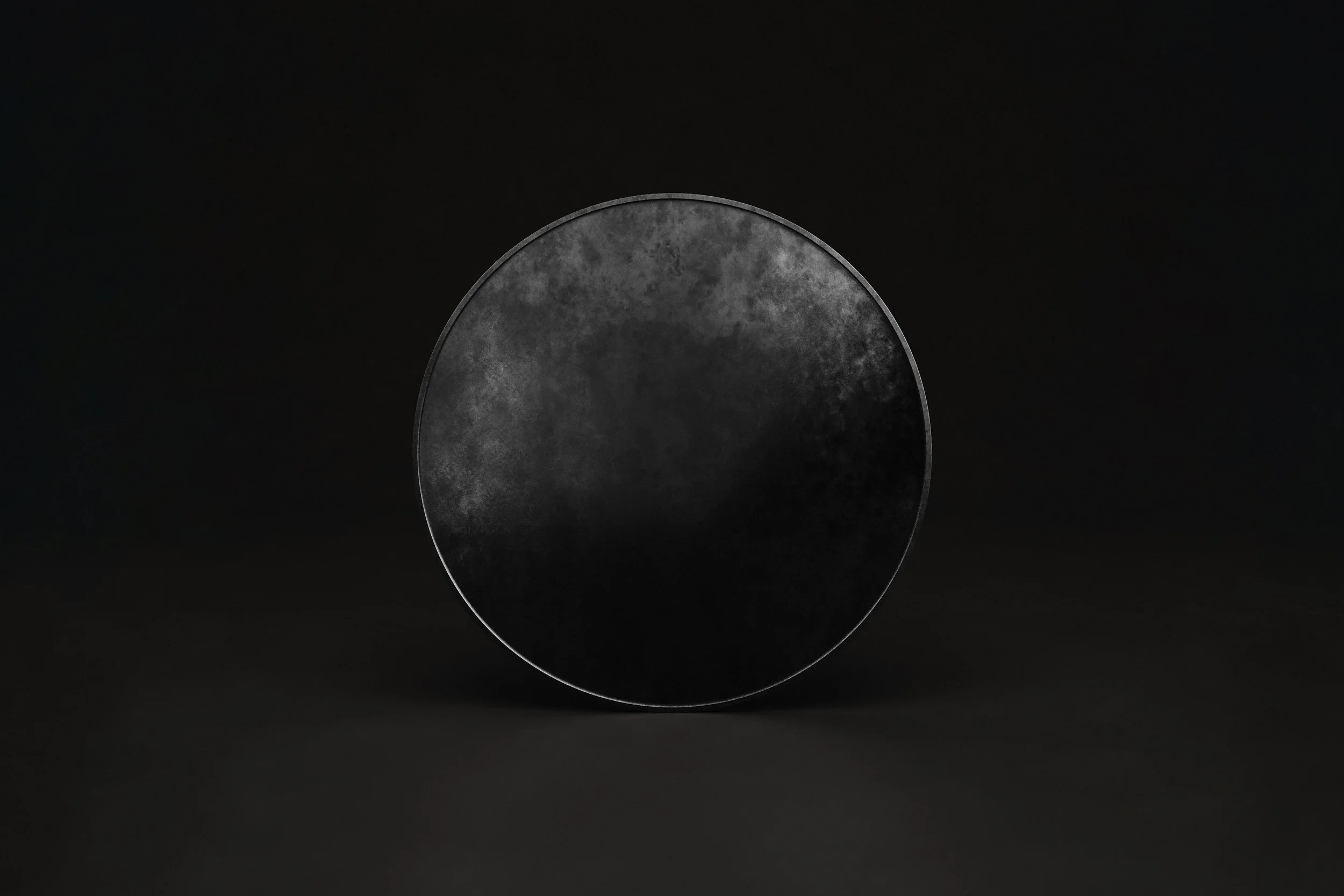
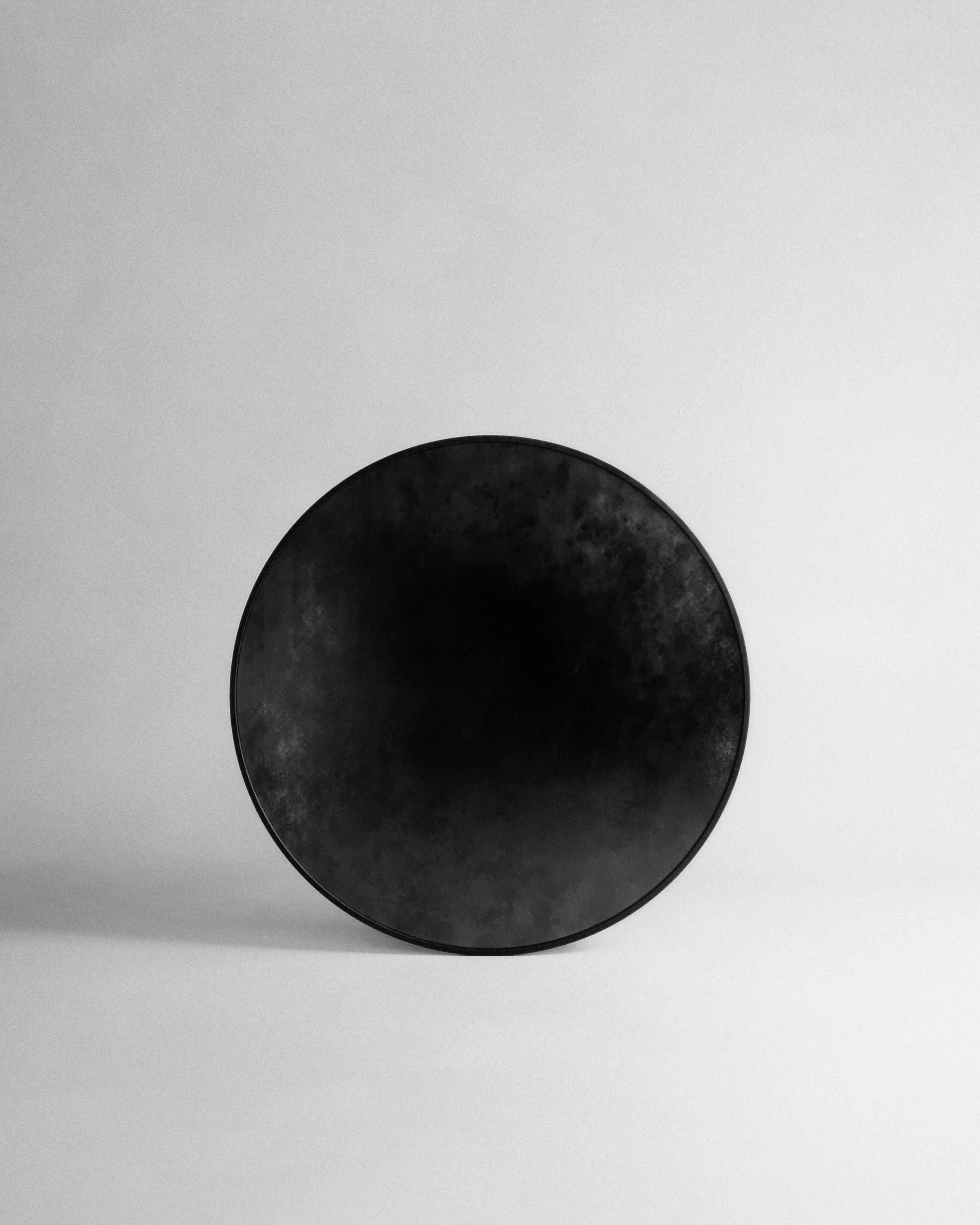
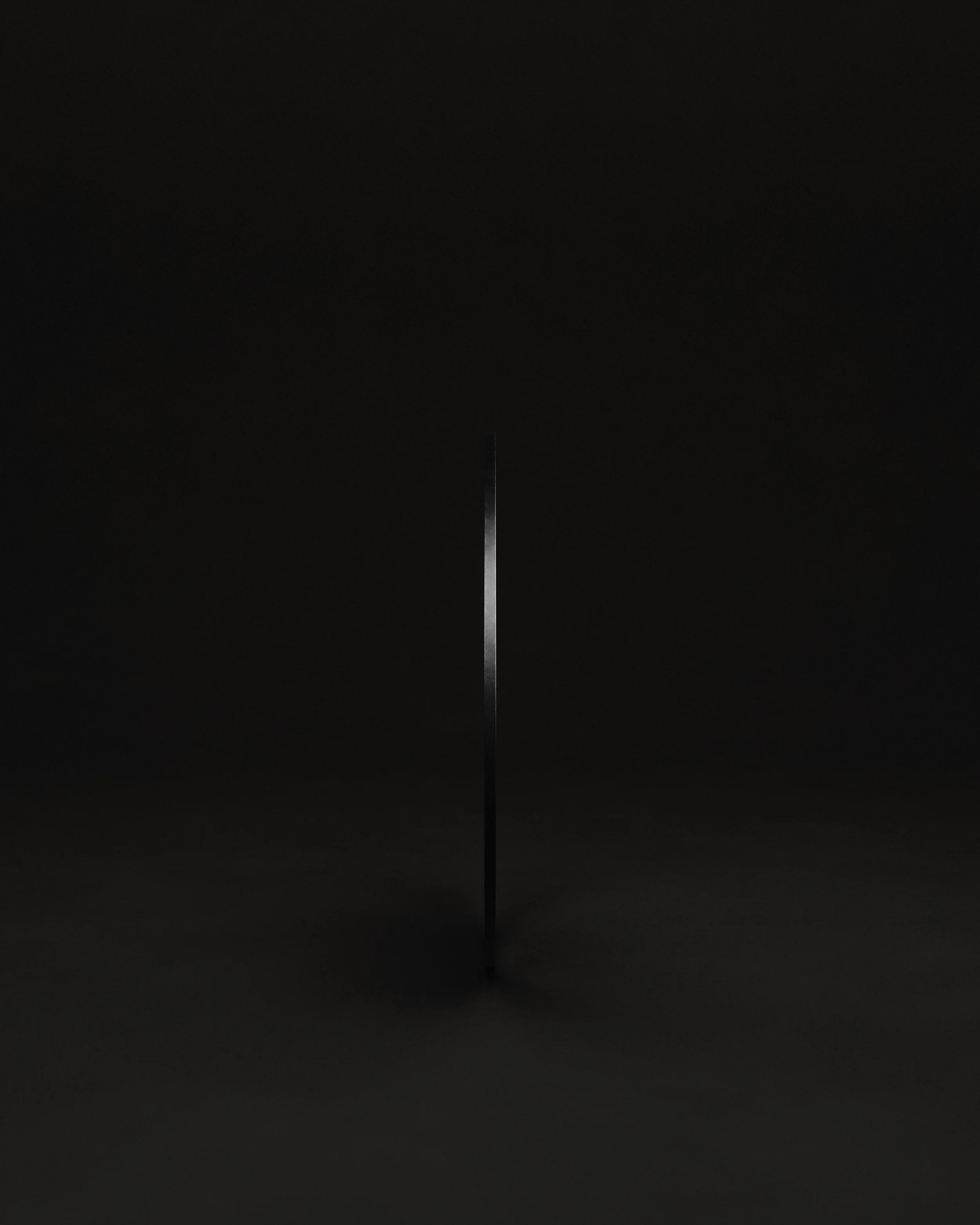
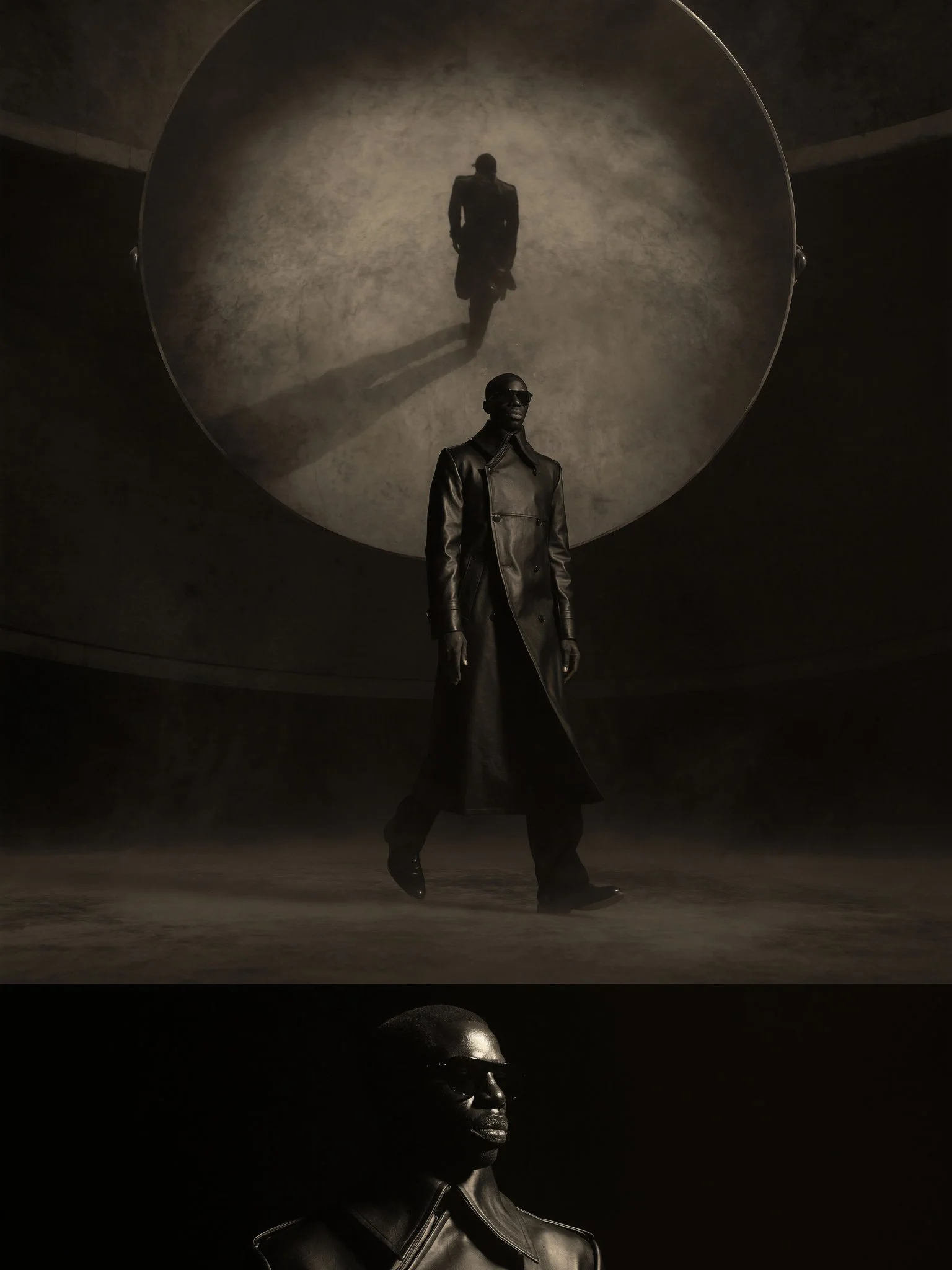
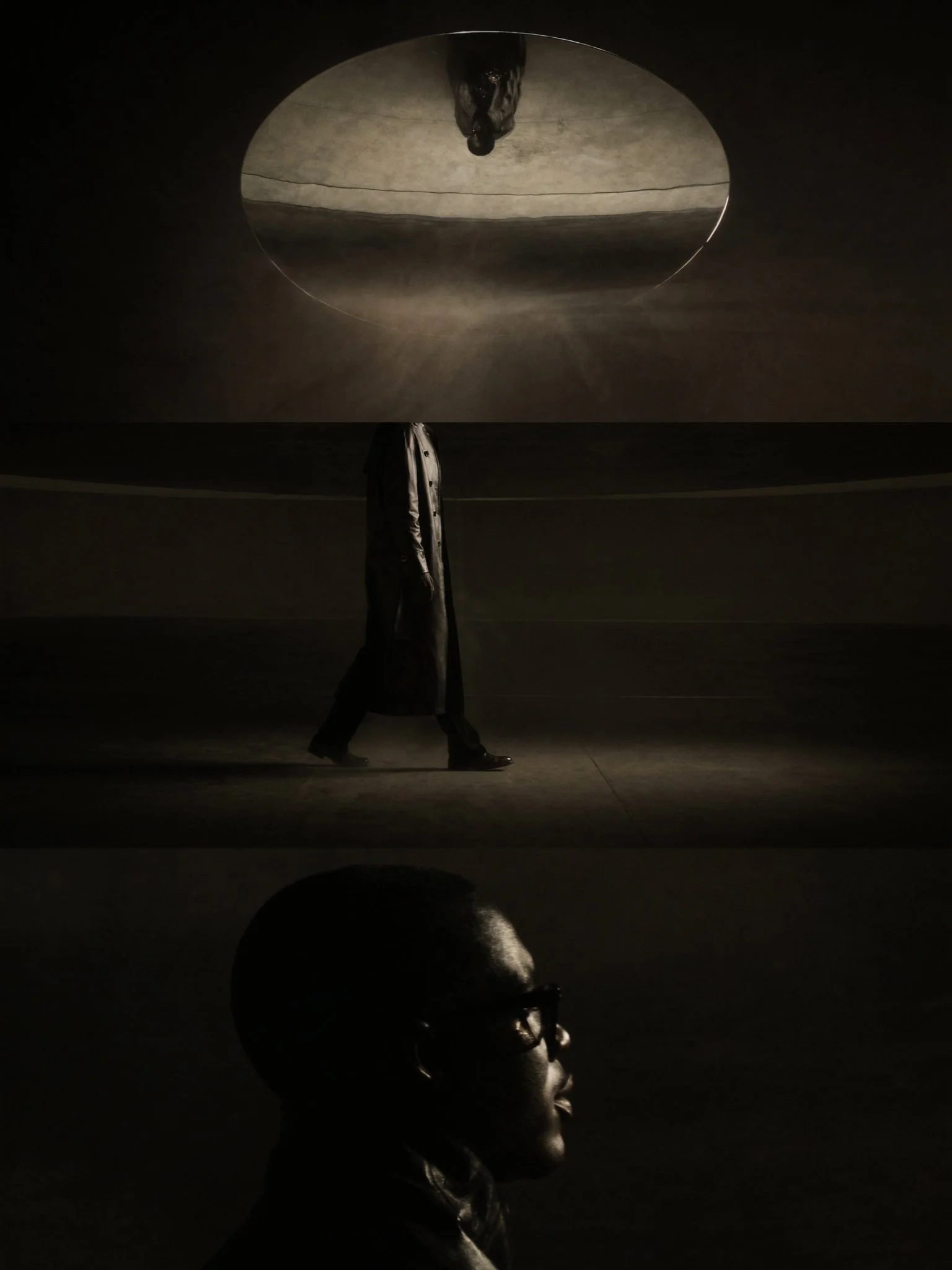
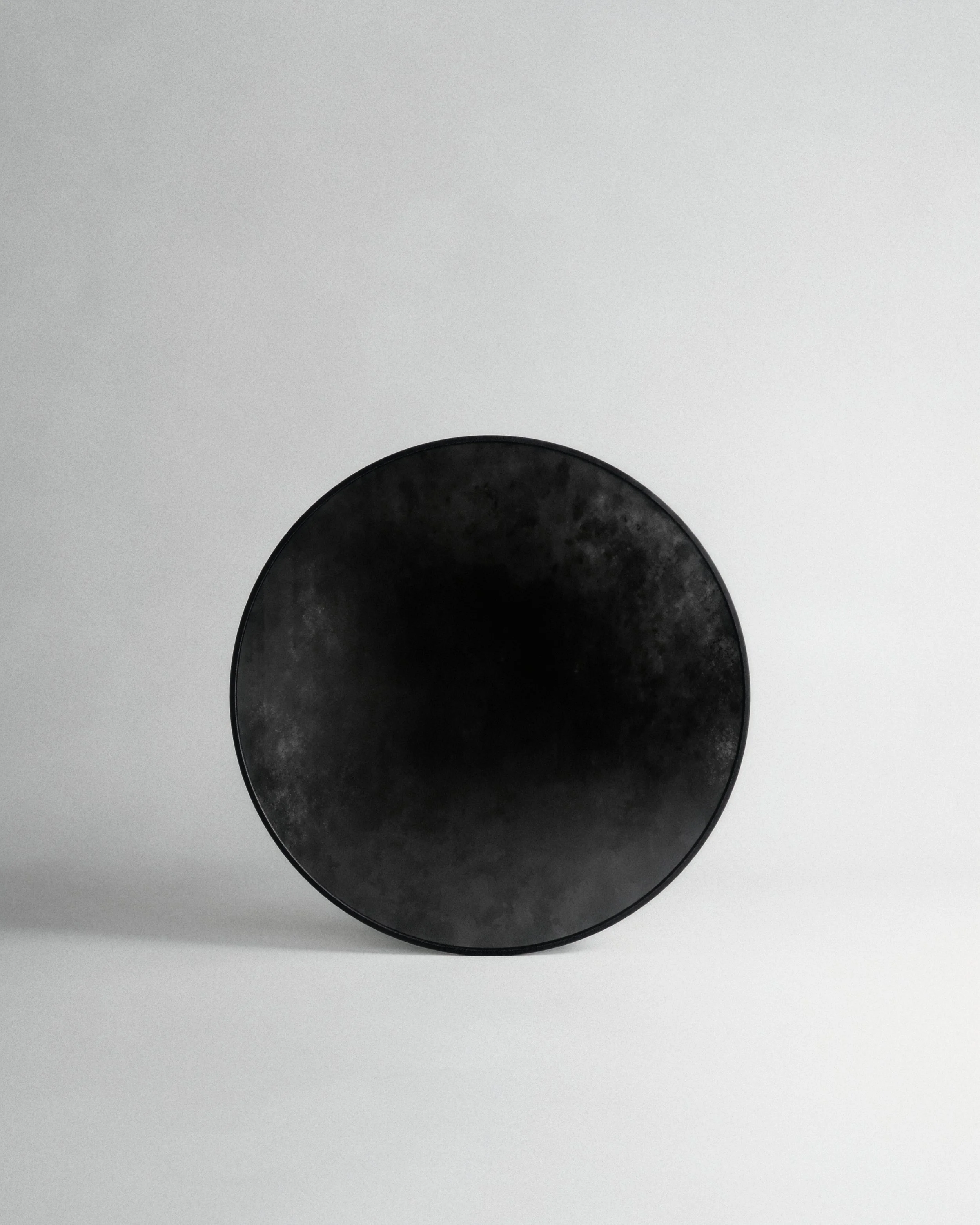
Umbra is a reflective metal surface designed by Arcano, conceived as an object that shifts between material presence and optical illusion. Available as a circular piece in 110 cm and 220 cm diameters, the surface can also be custom-made to fit virtually any shape or dimension.
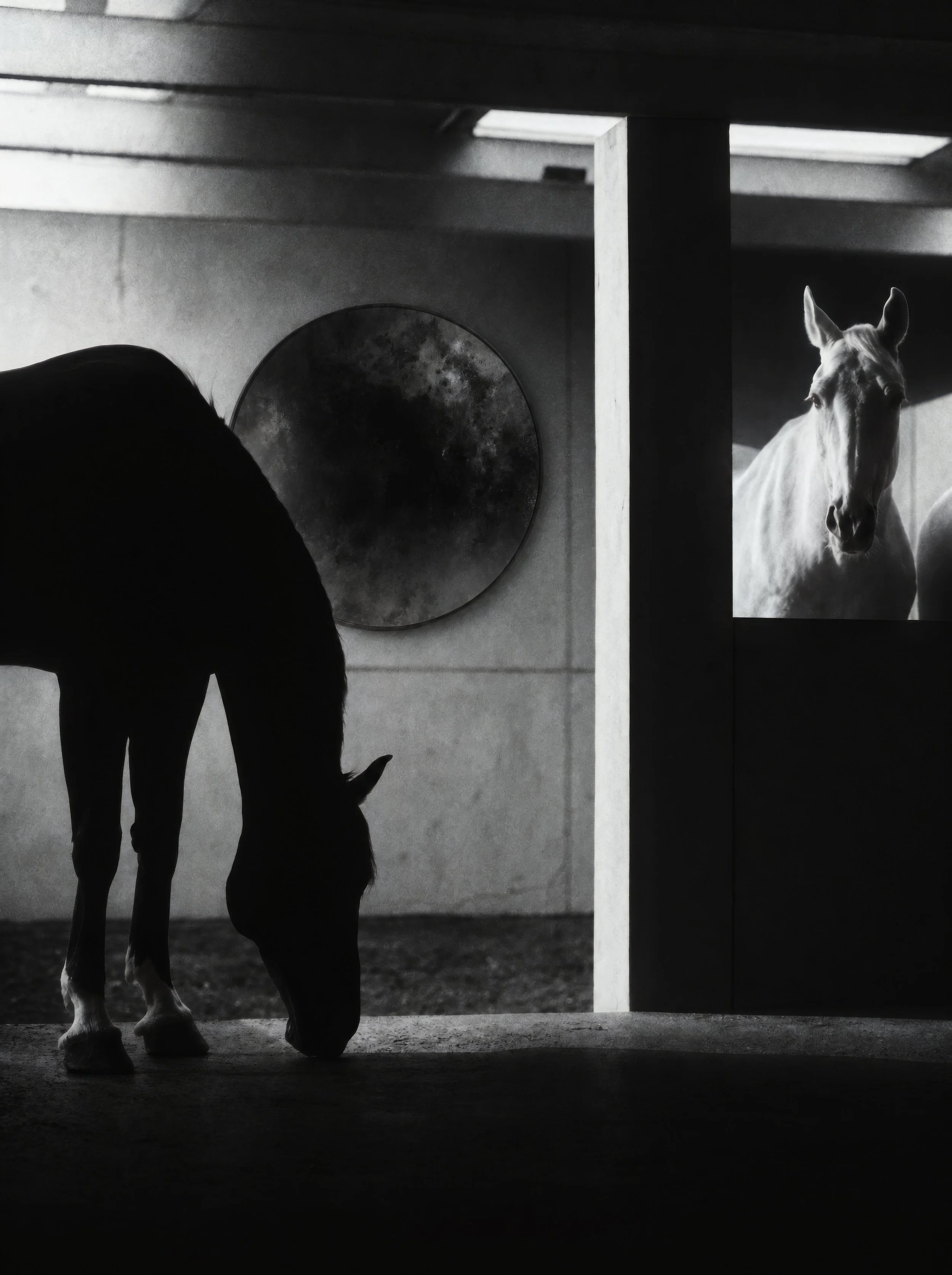
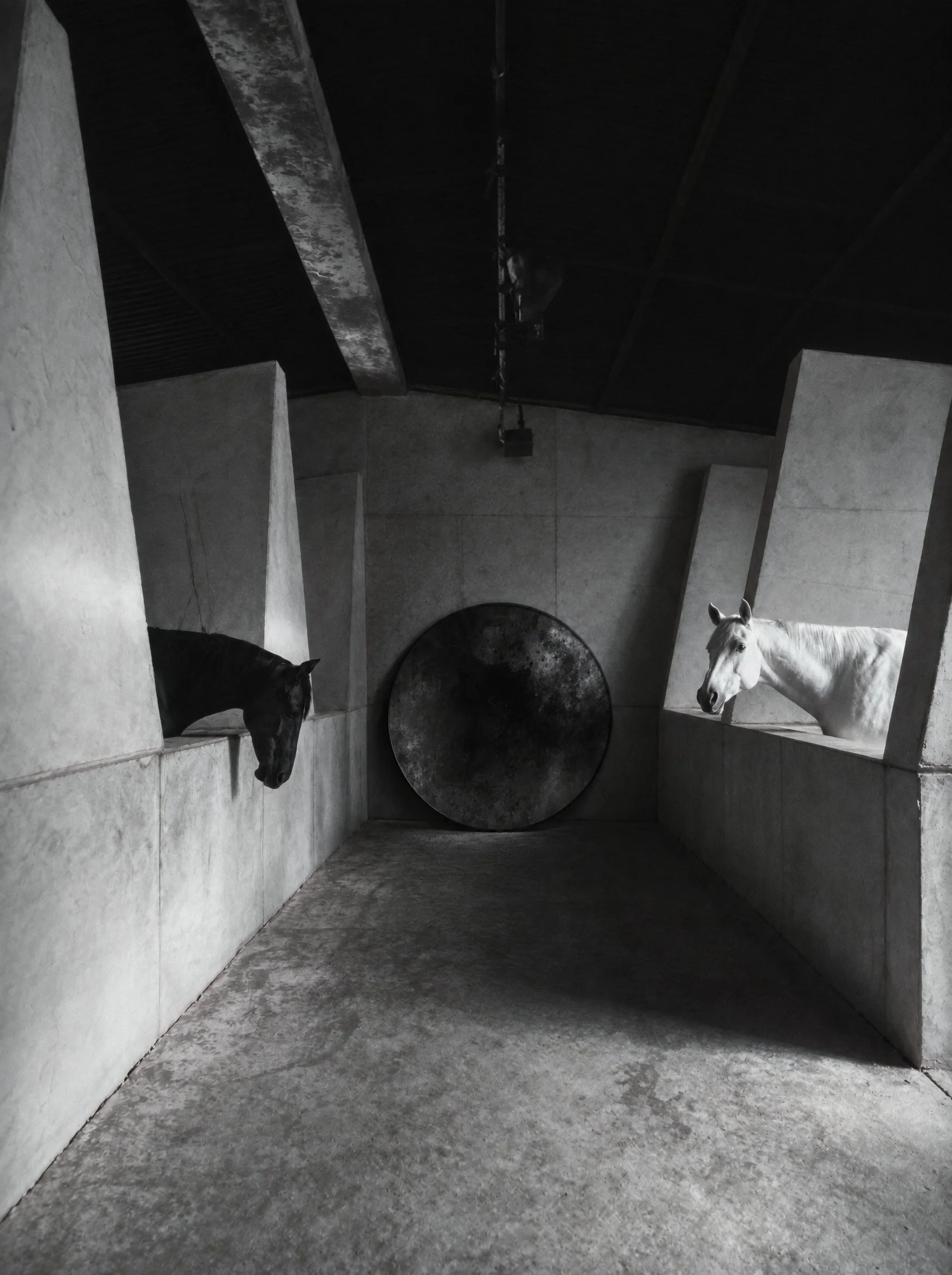
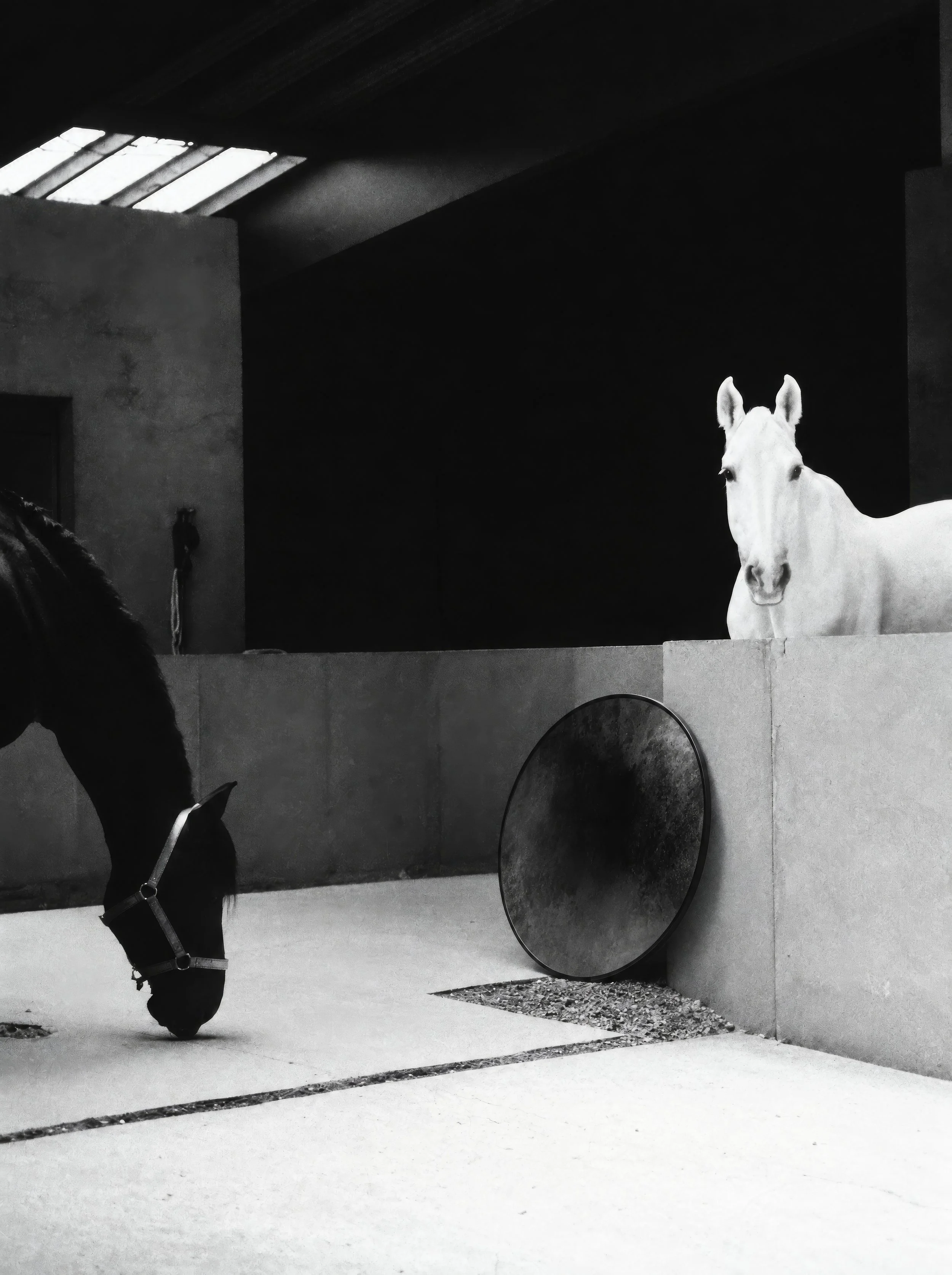
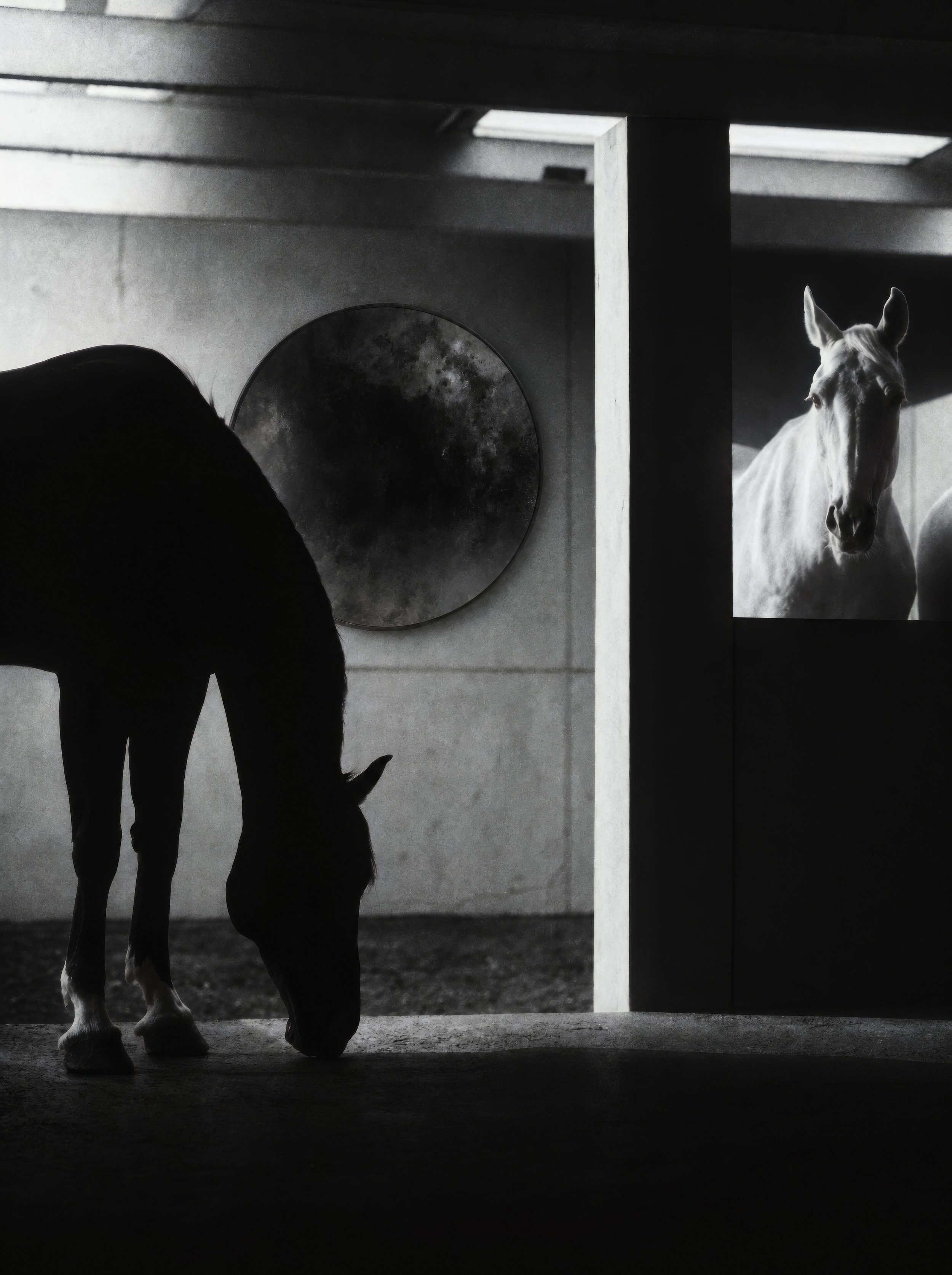
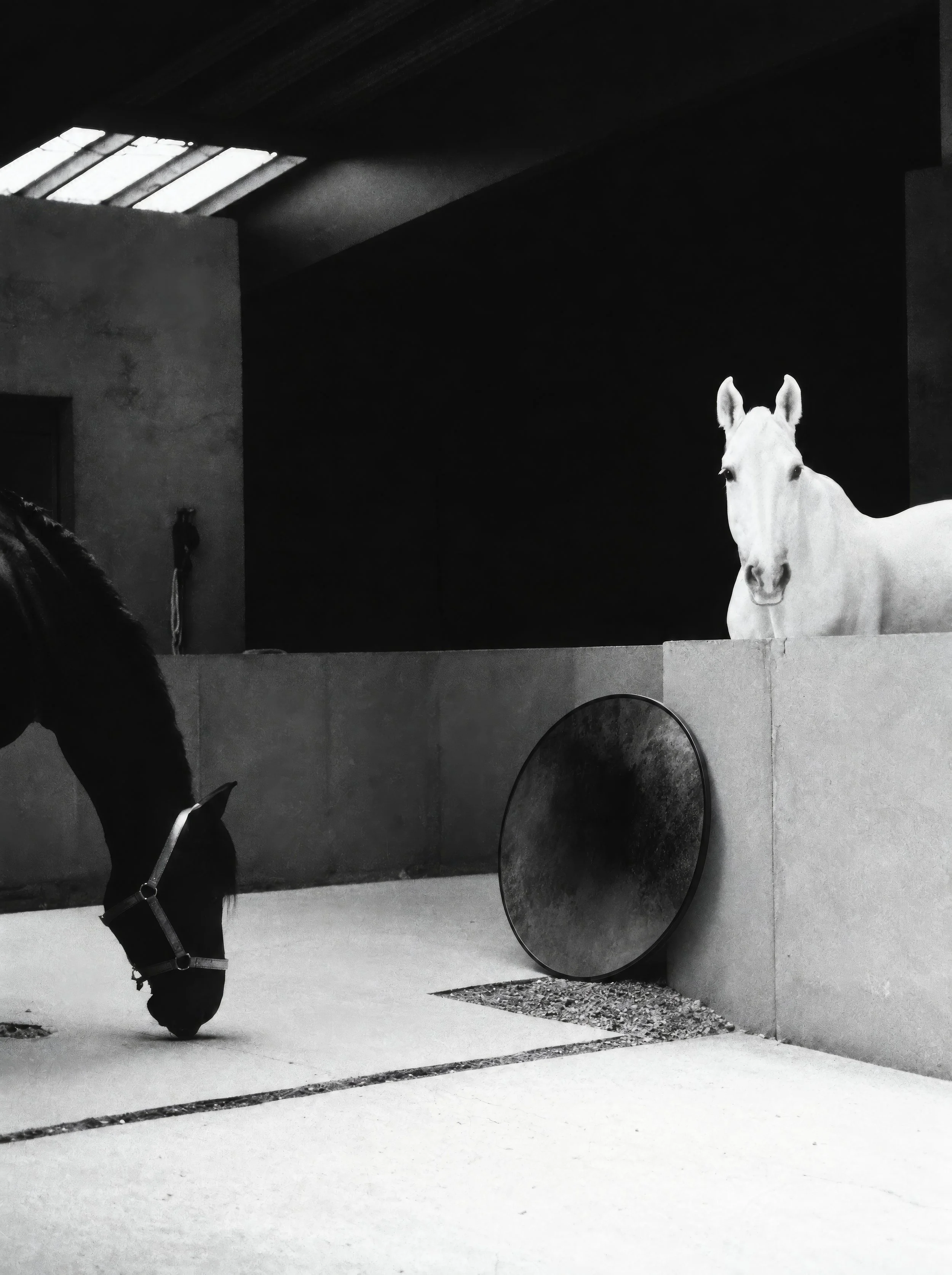
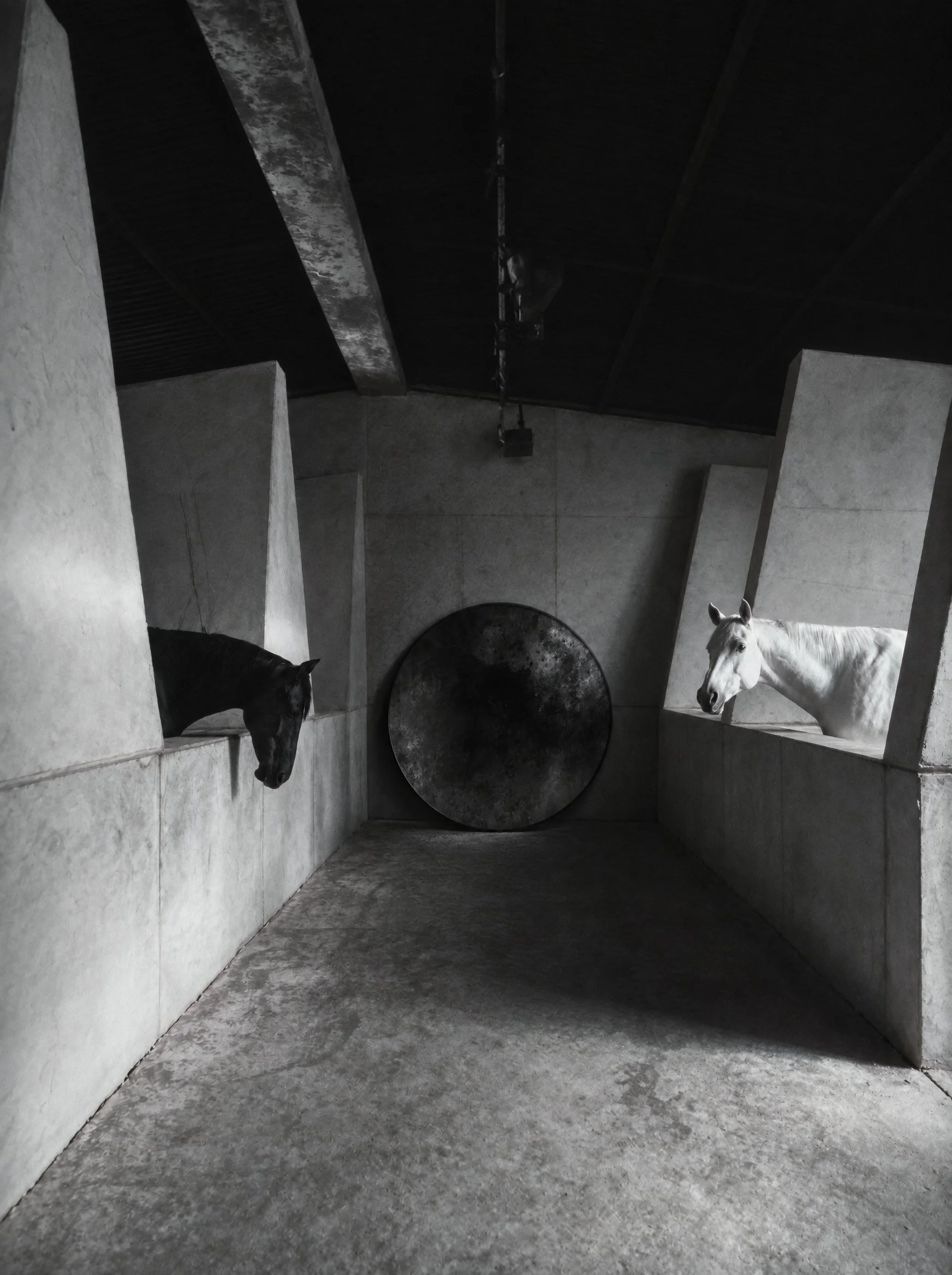
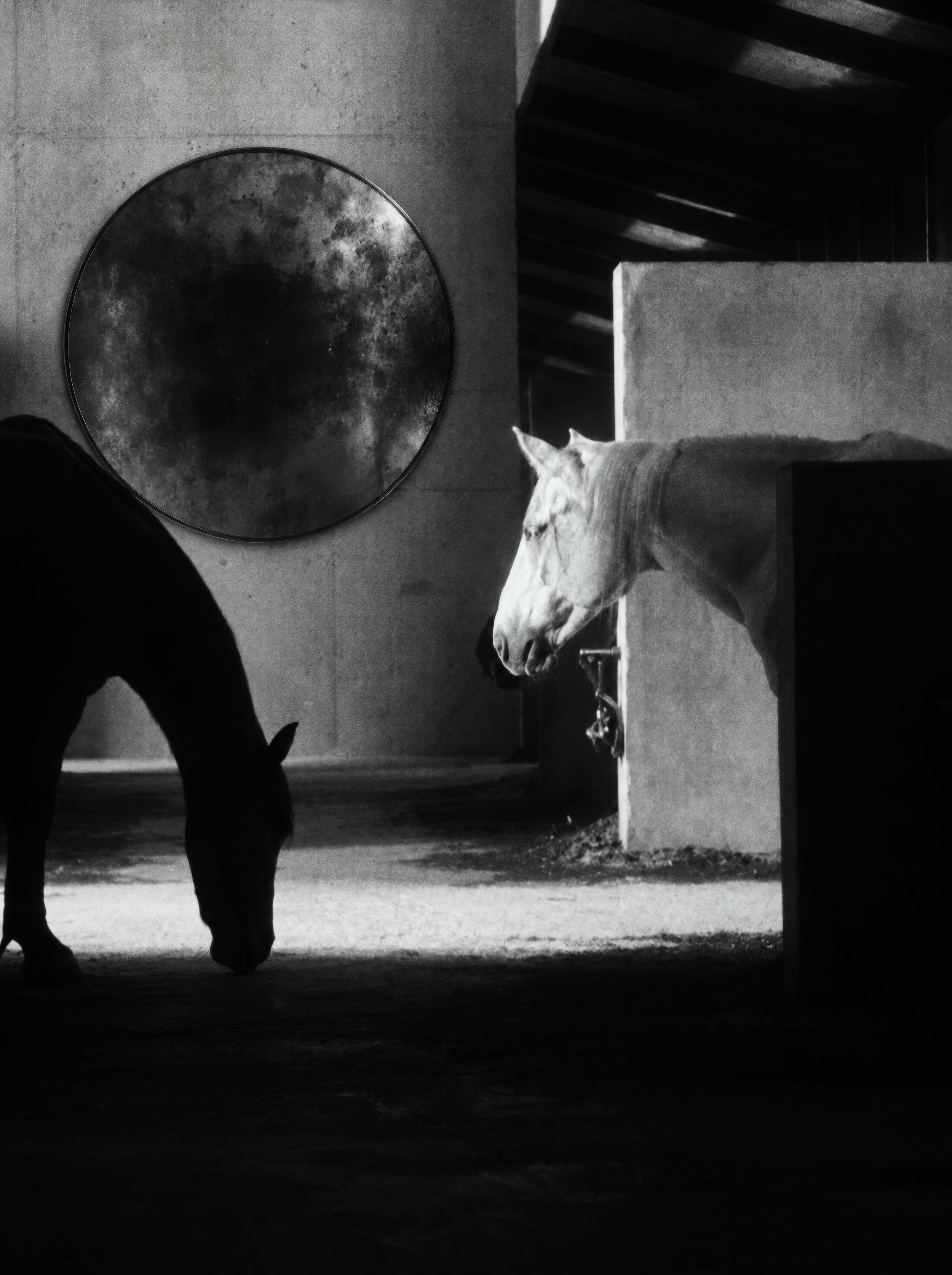
For this project, Umbra was explored in two contrasting environments: a fictional architectural space and a working equestrian stable. The juxtaposition highlights the object's ability to transform its surroundings, reflecting architecture, light, movement and atmosphere while becoming an integral part of the space itself.
-
![Black-and-white photograph of a horse standing in a stable beside a large circular object, with another horse pictured in the background.]()
01
-
![An image of the Cultural Center.]()
02
-
![An image of the Cultural Center.]()
03
-
![Black-and-white photo of a dark horse and a white horse in adjacent concrete stalls.]()
04
-
![Black-and-white photo of a white horse standing in a stable doorway, with a saddle-mounted dark horse silhouette in the foreground.]()
05
-
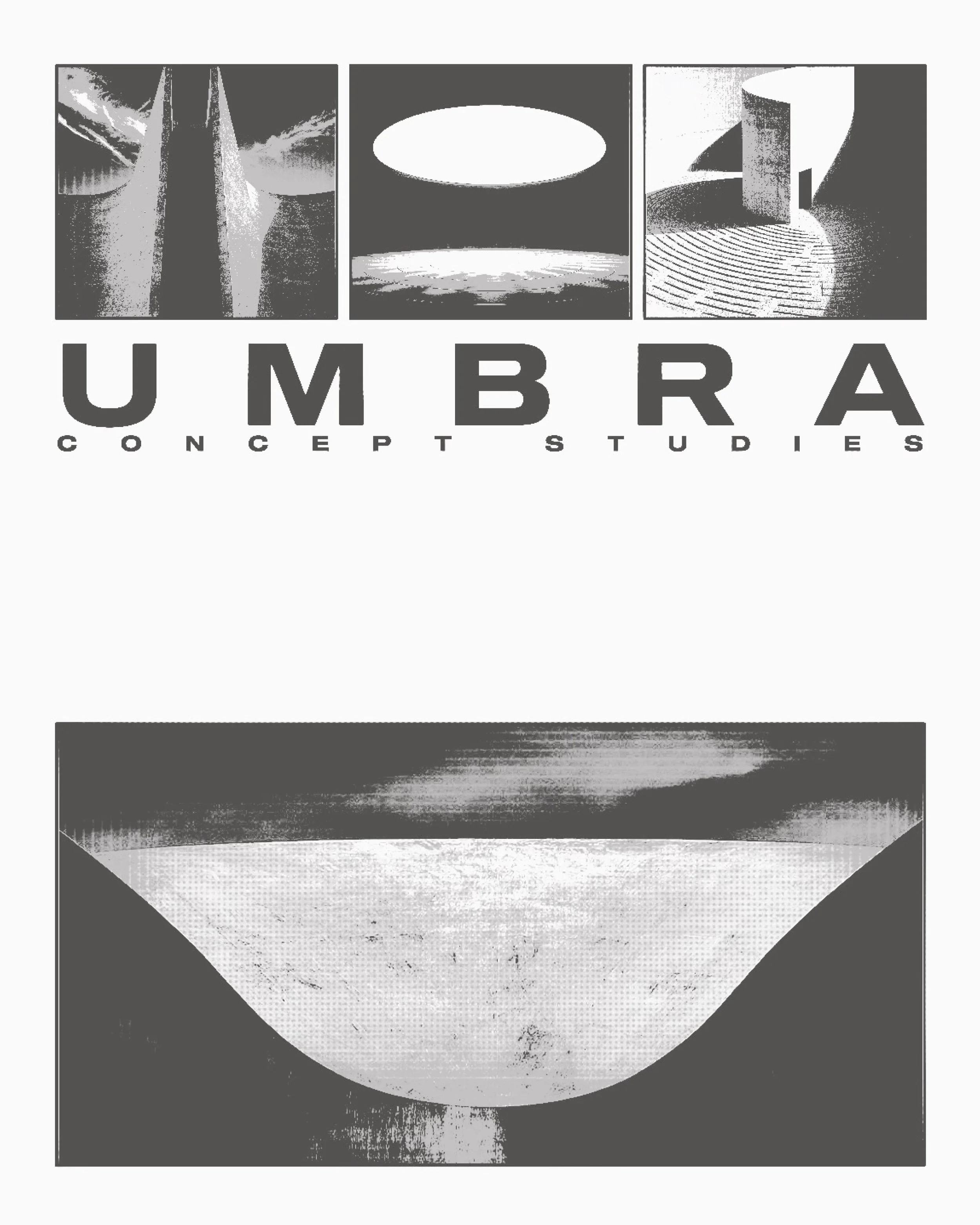
![Black-and-white abstract architectural collage with geometric structures, circular forms, and the text “UMBRA CONCEPT STUDIES.”]()
06
-
![An image of the Cultural Center.]()
07
-
![Minimalist interior with curved concrete walls, columns, and polished concrete floor]()
08
-
![Collage of monumental tan concrete architecture with curved walls, sculptural courtyards, doorways, and desert mountain landscapes under dramatic skies.]()
09
-
![Minimalist interior with a narrow open doorway in a textured plaster wall and dramatic sunlight and shadows]()
10
-
![Fashion model in a black leather trench coat and sunglasses standing before a large circular backdrop, with a close-up portrait below.]()
11
-
![Abstract architectural interior with curved raw concrete walls and tunnel-like openings]()
12
-
![Dark conceptual portrait of a man in sunglasses and a long coat beneath a large circular spotlight, reflected in multiple horizontal panels.]()
13
-
![Interior of a dark stone chamber with a large circular ceiling opening, streaked walls, and two doorways.]()
14
THE OBJECT-
Umbra is a reflective metal surface designed by Arcano, conceived as an object that shifts between material presence and optical illusion. Available as a roumd piece in 110 cm and 220 cm diameters, the surface can also be custom-made to fit virtually any shape or dimension.
Material & Surface Study-
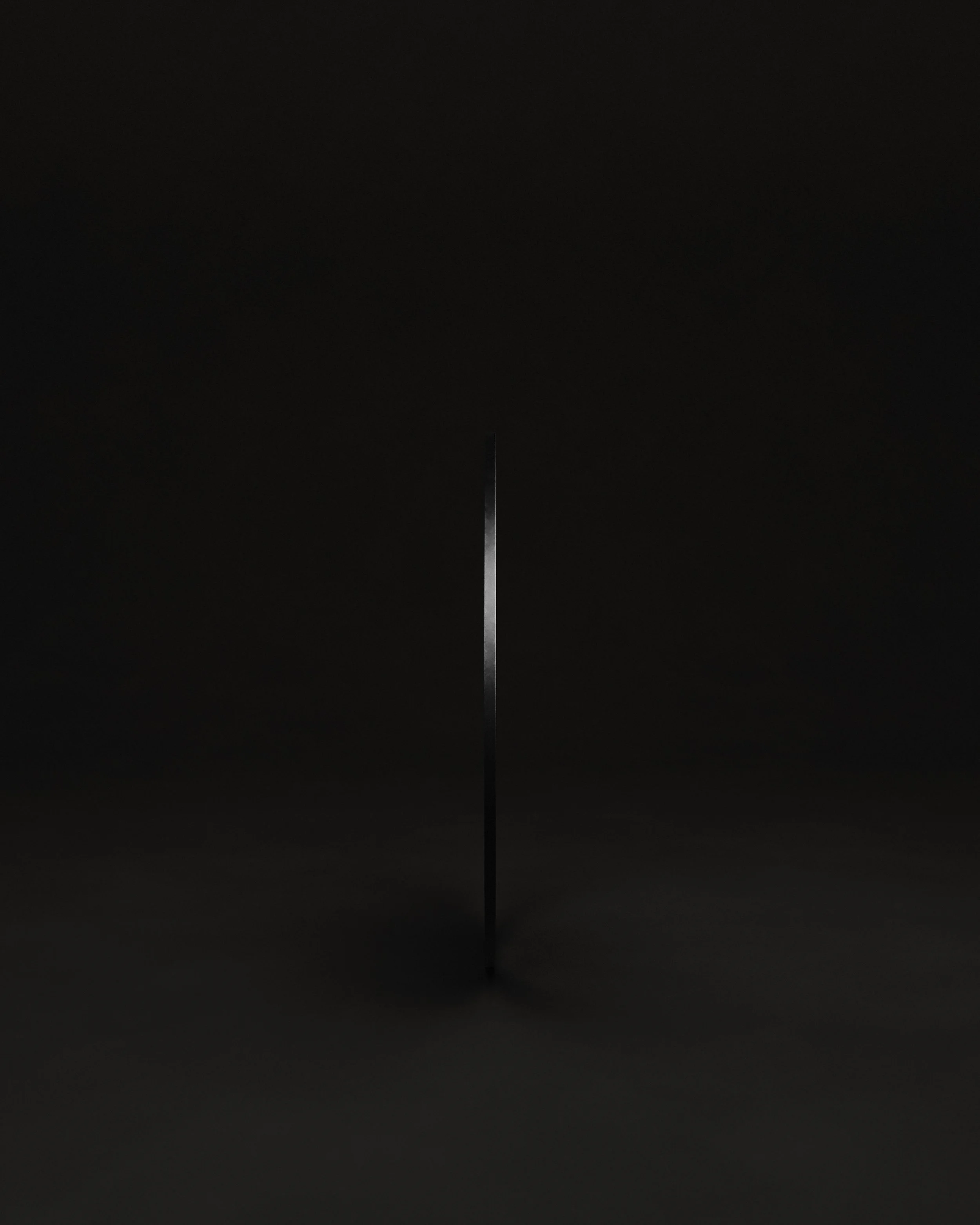
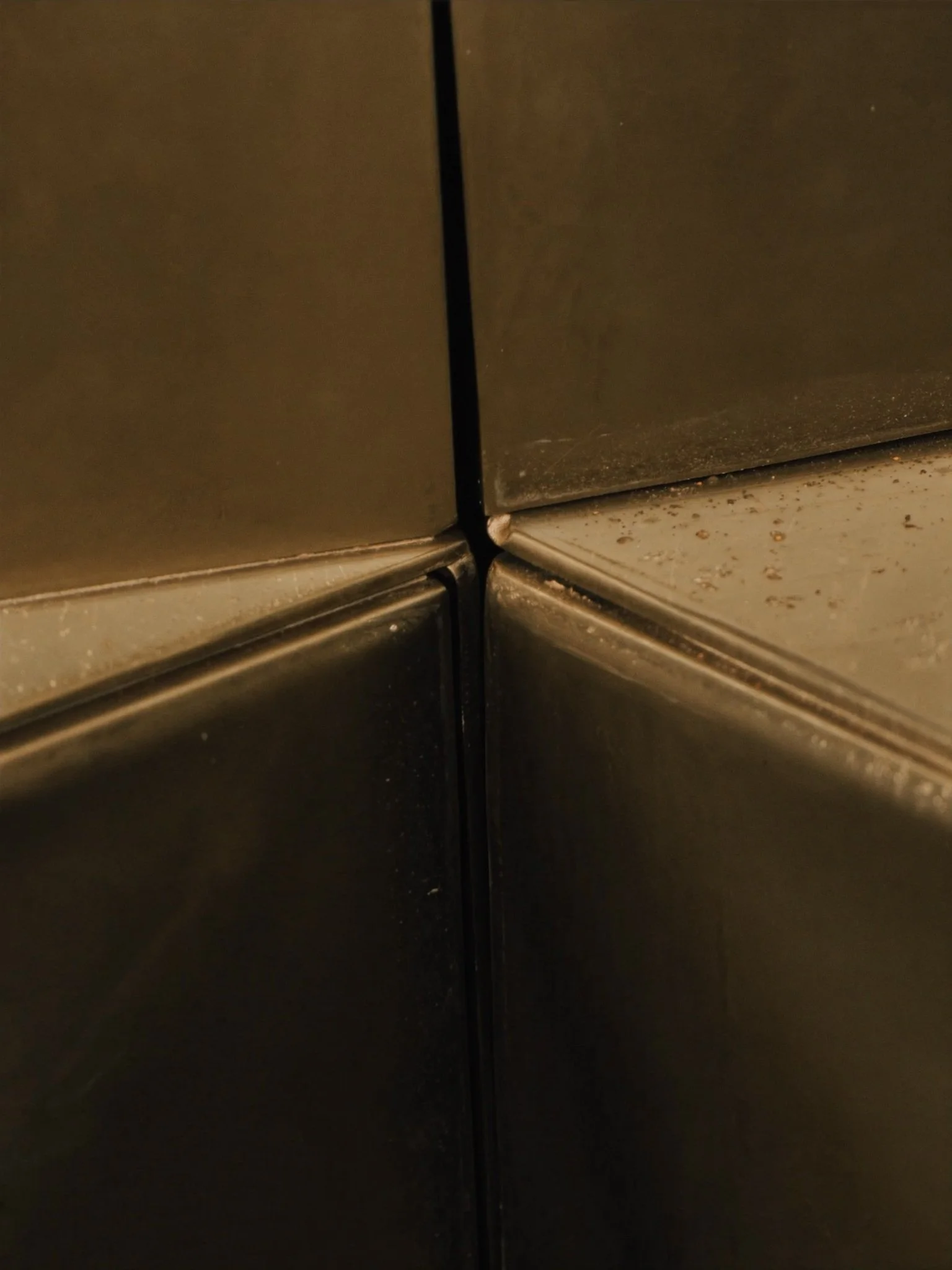
The project began with an in-depth study of the material and its reflective qualities. Different surface behaviours, reflections, distortions and lighting conditions were explored to understand how Umbra interacts with its surroundings.
Following the material and surface studies, the 220 cm Umbra was developed as a 3D product visualisation, allowing the object to be explored beyond a static product representation.
A short video was also created to further demonstrate the changing reflections and optical qualities of the surface.
Two Worlds-
Umbra was ultimately presented through two contrasting environments, each offering a different interpretation of the object.
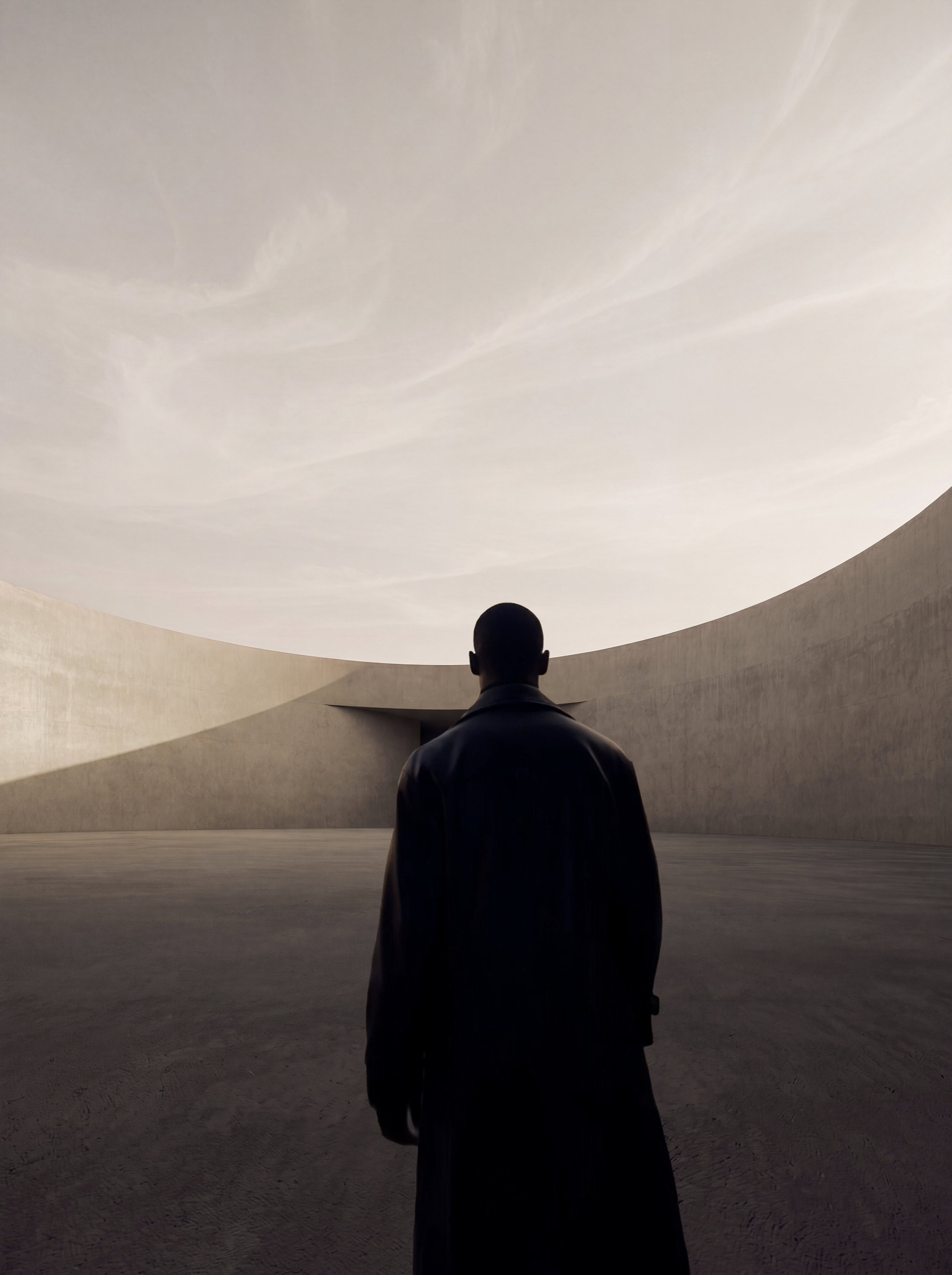
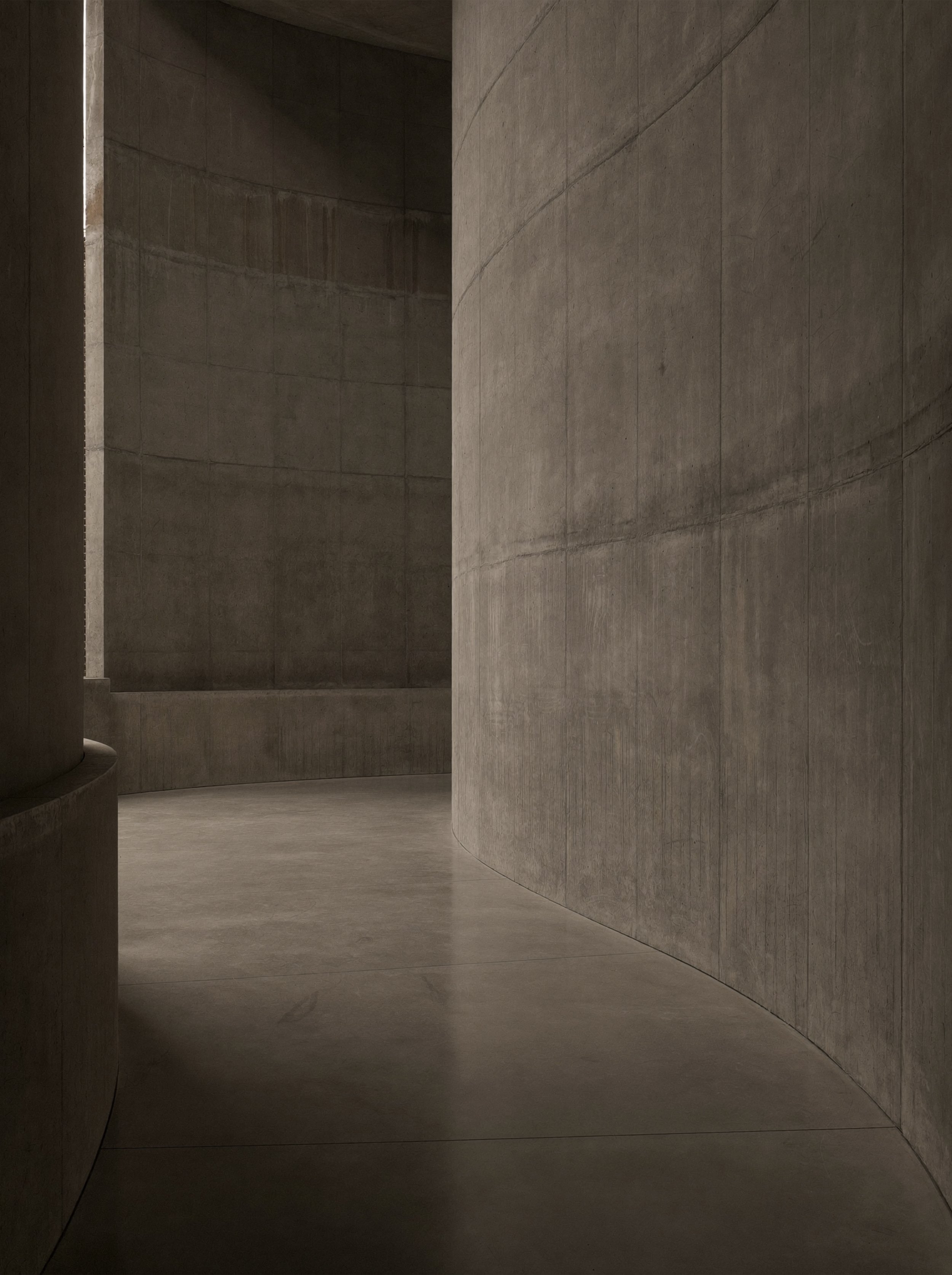
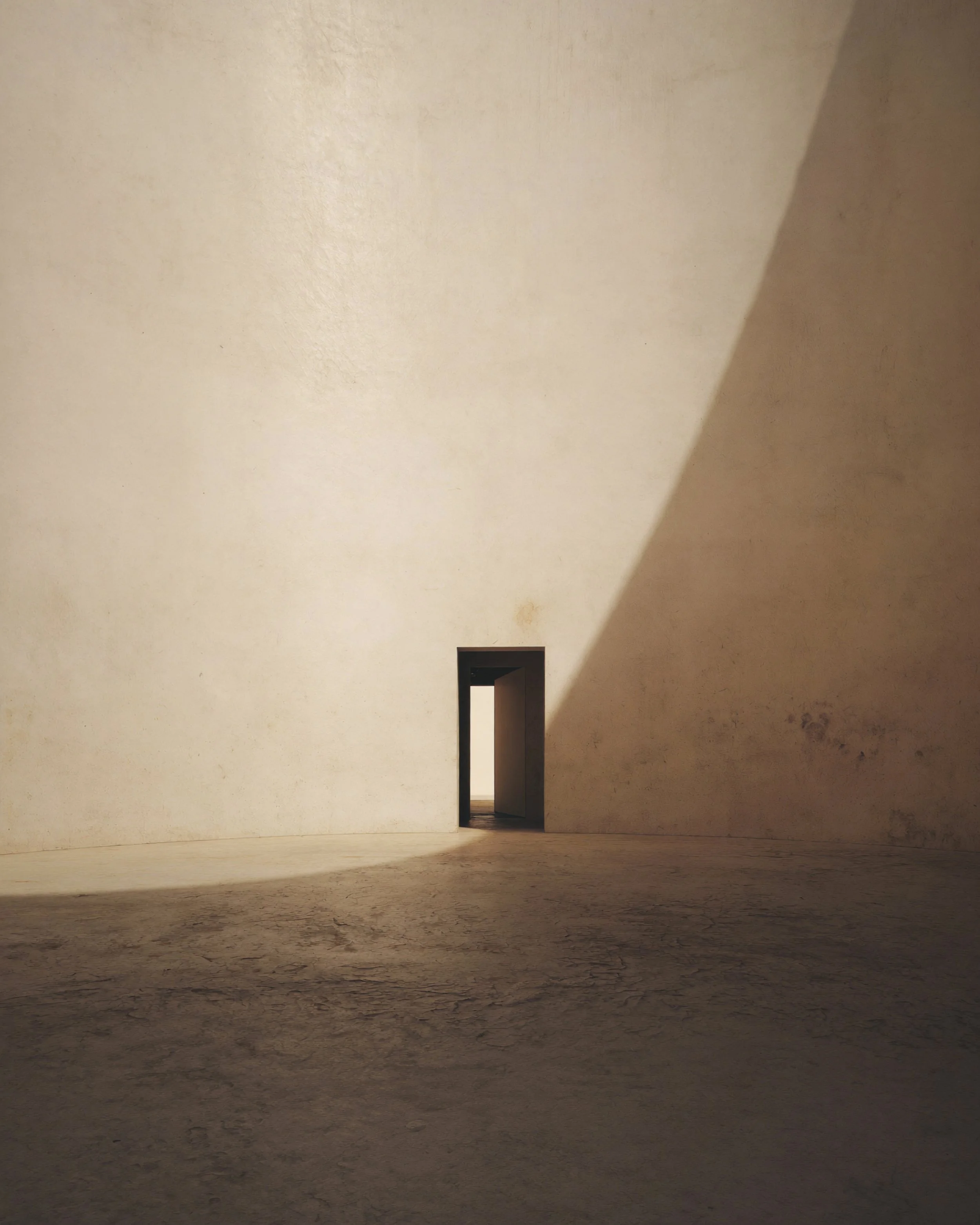
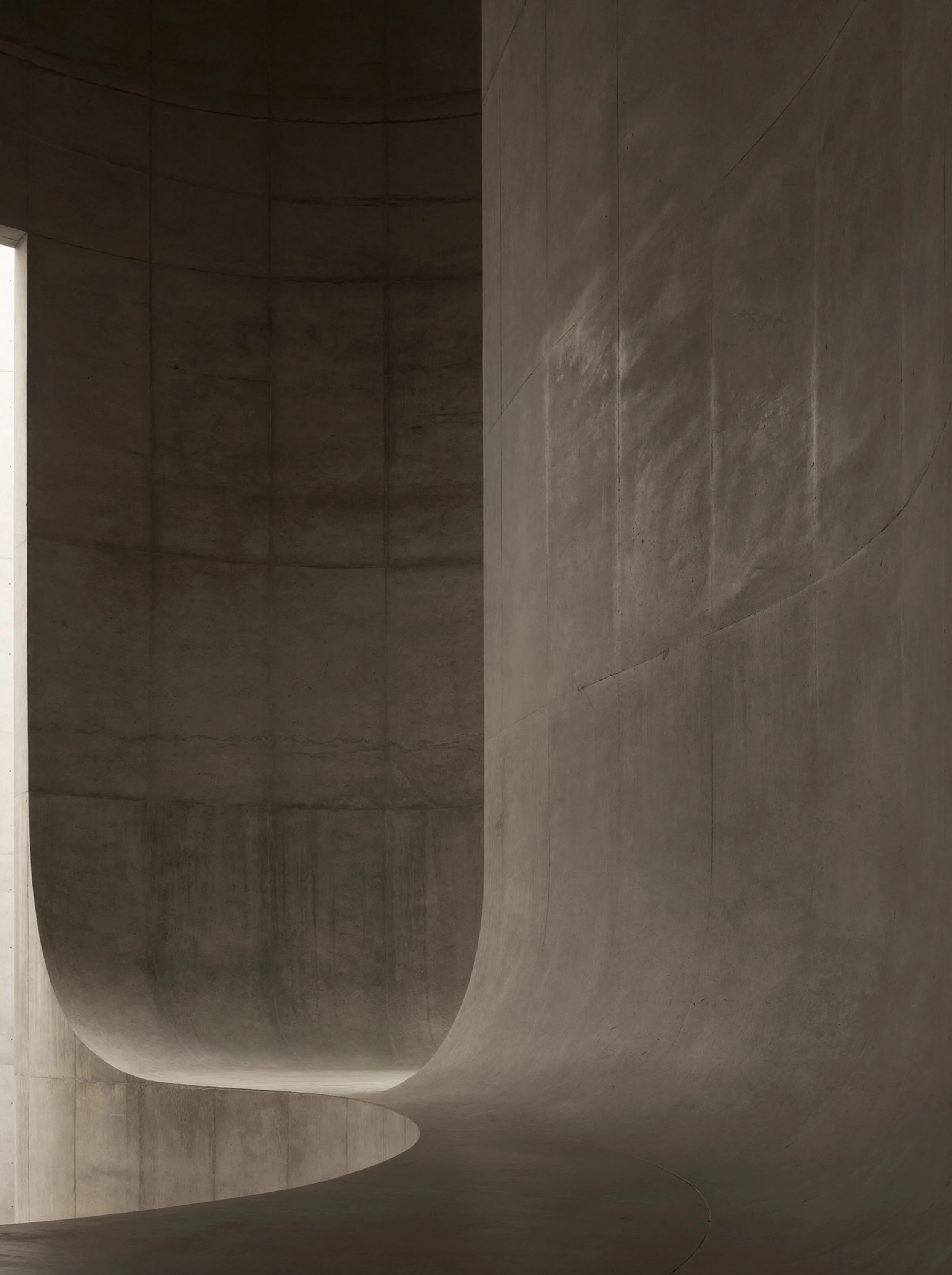
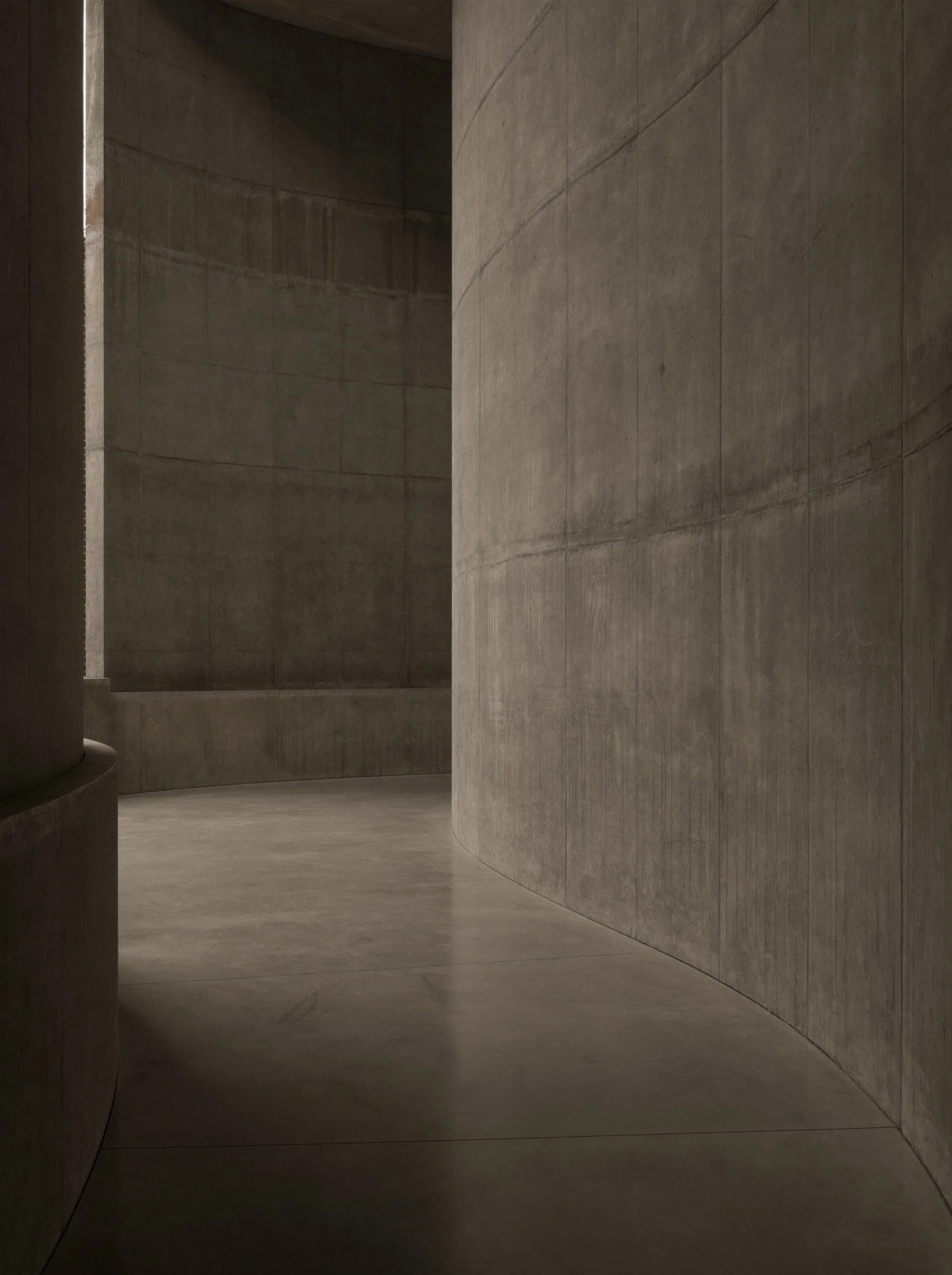
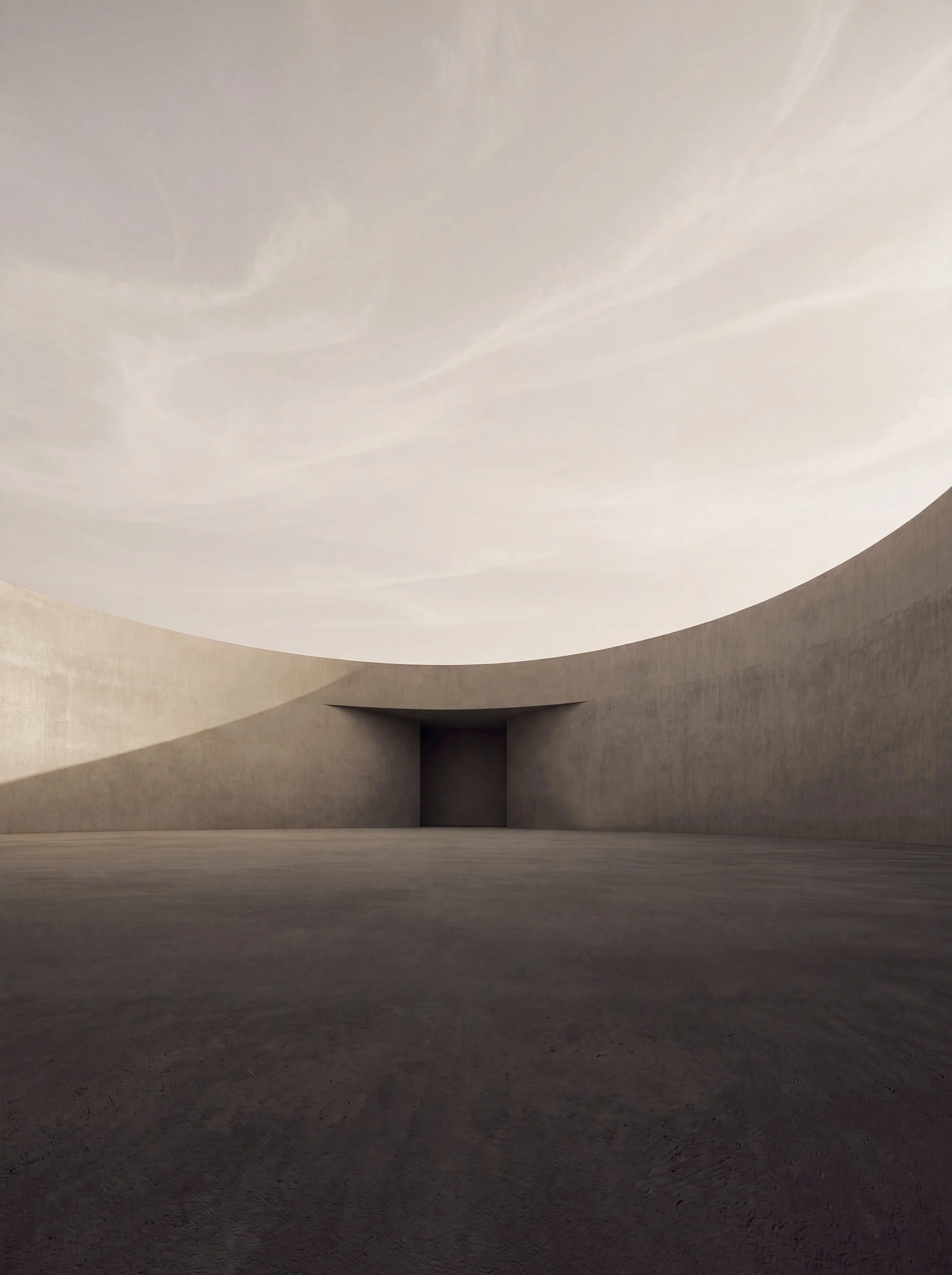
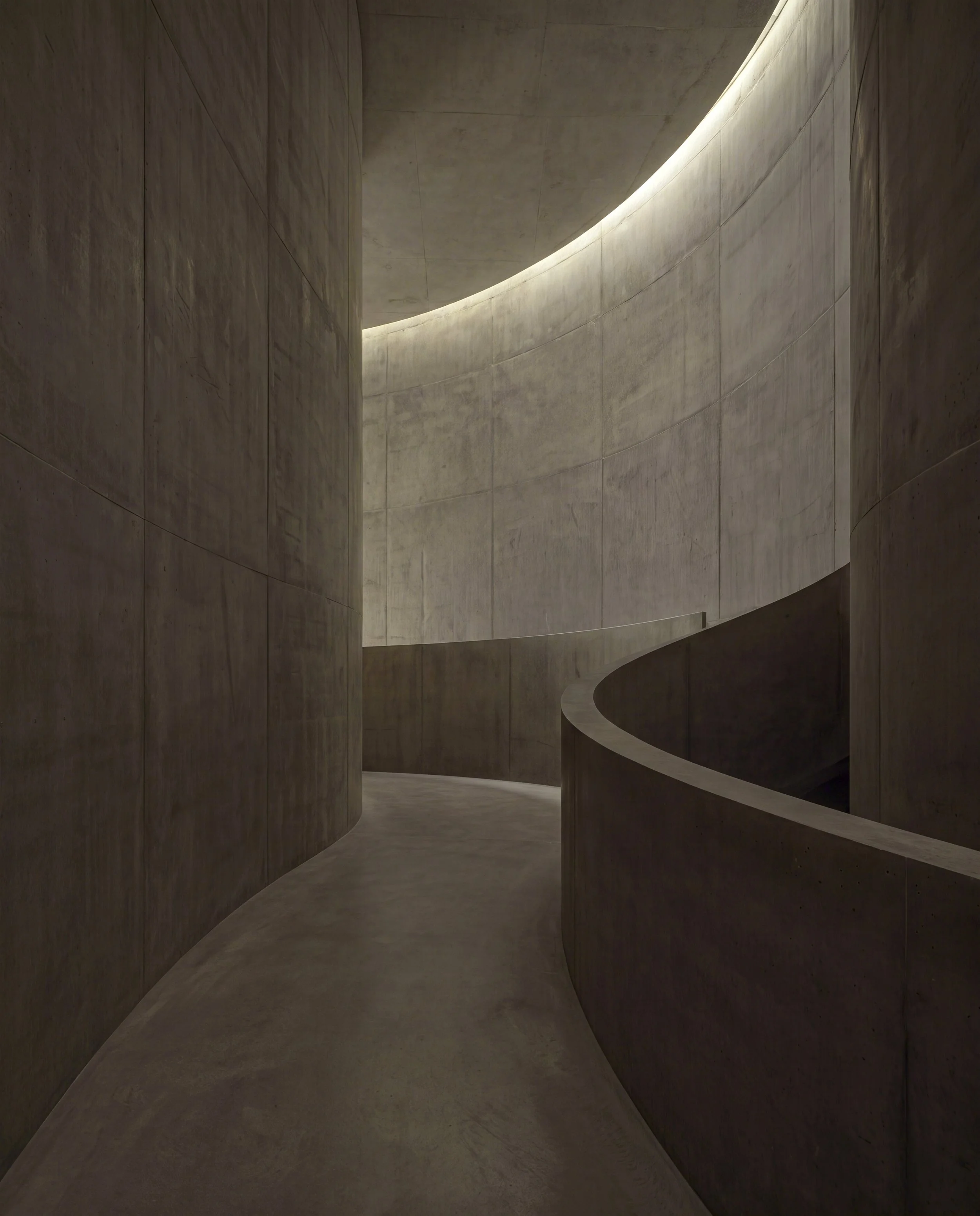
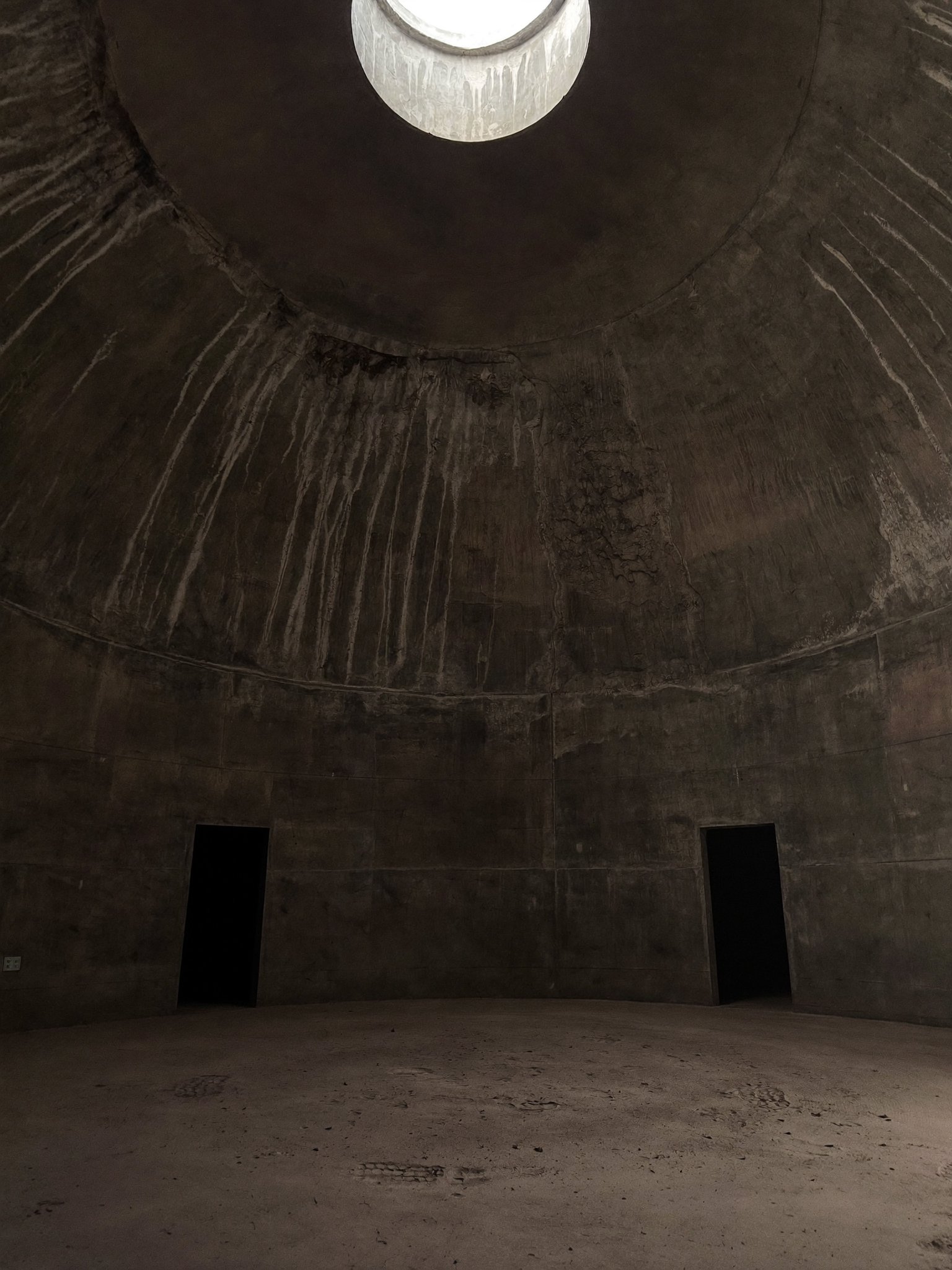
The first is a real, tangible space: an equestrian stable. The second is a fictional, AI-generated environment, a monumental, dystopian architectural world combining interior and exterior spaces.
The two settings create a deliberate contrast between the physical and the imagined, while exploring the same object through radically different atmospheres.
The Equestrian Space-
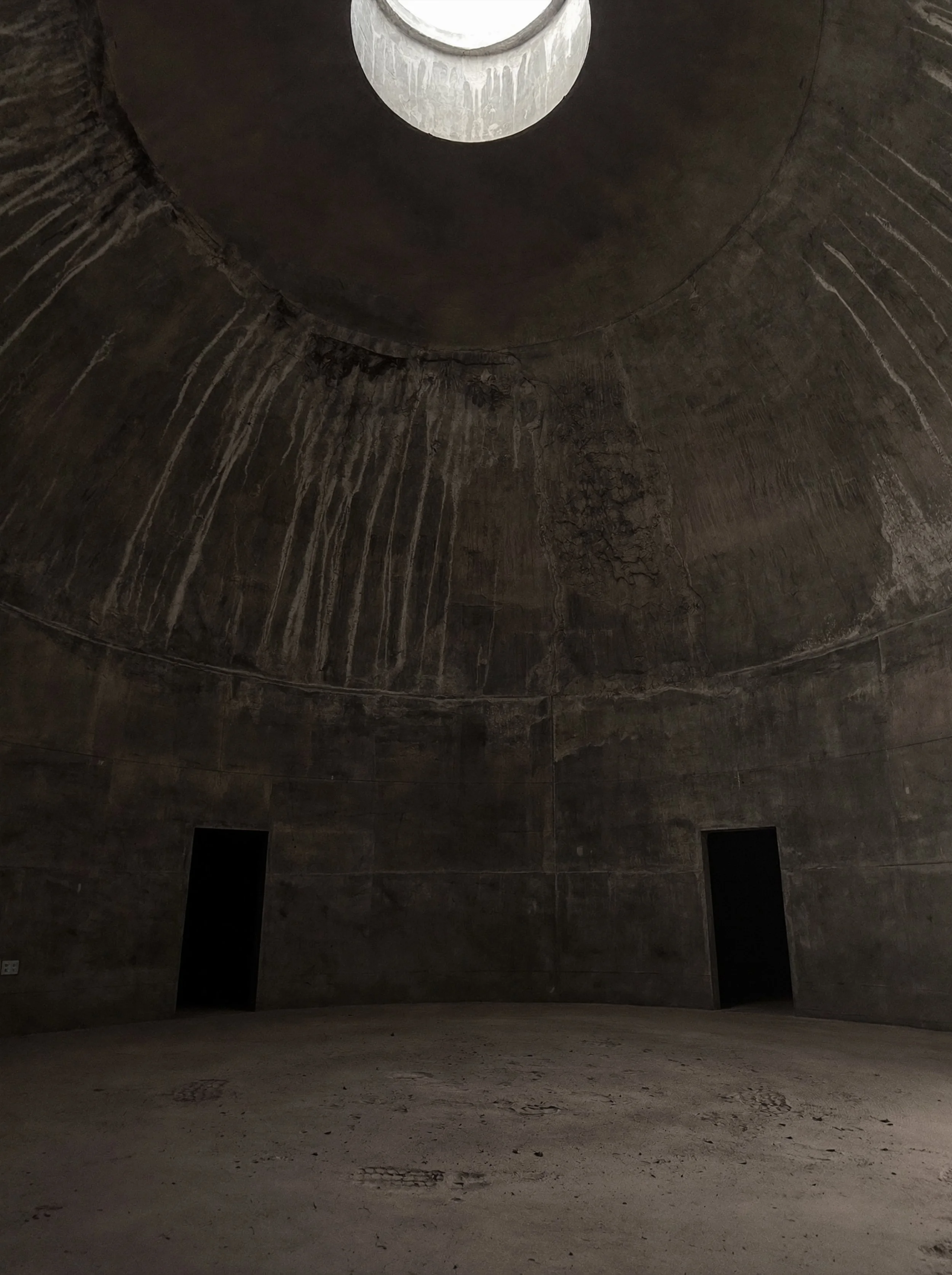
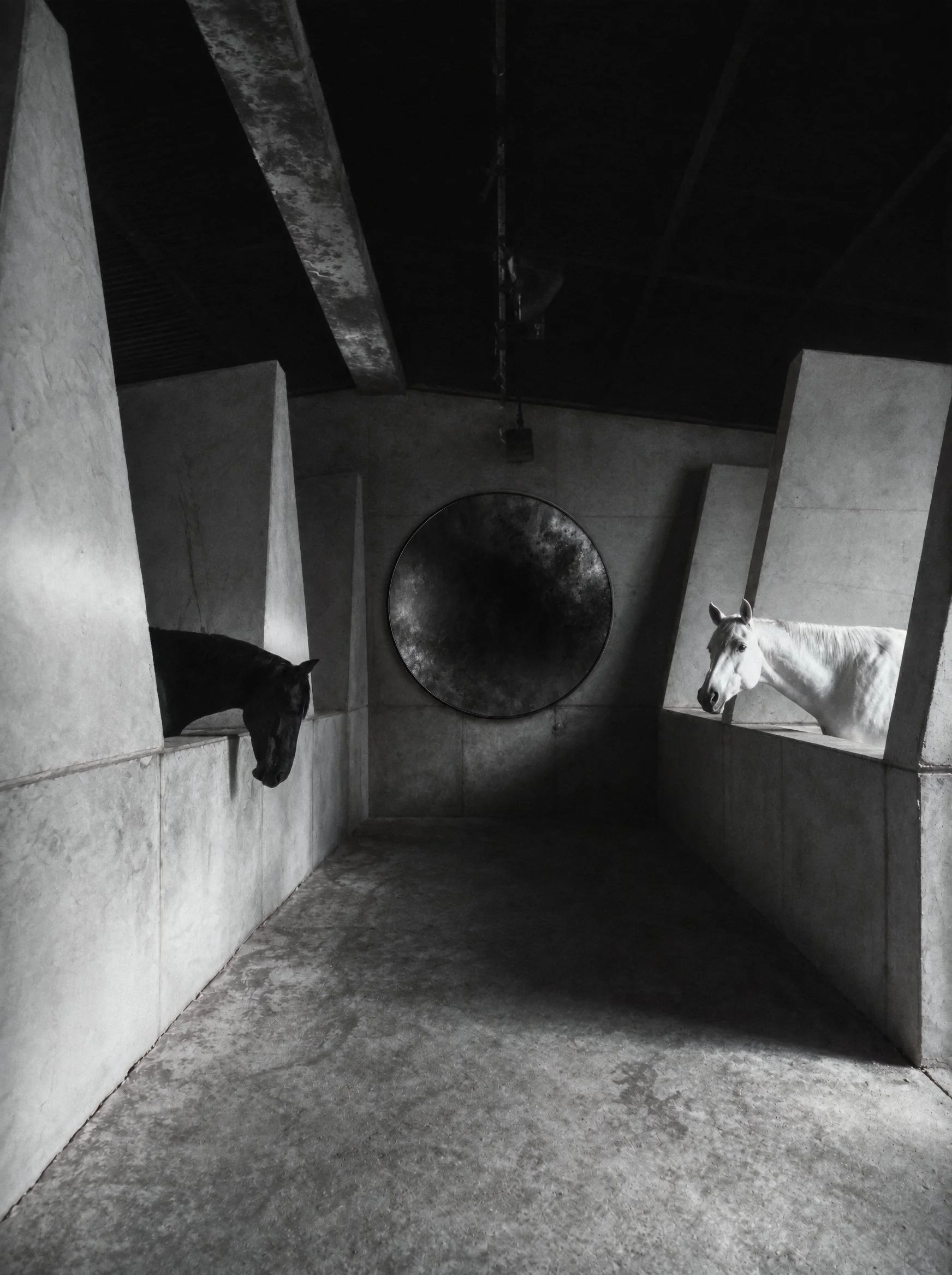
The first setting is a real equestrian environment, where both the 110 cm and 220 cm versions of Umbra are placed within the existing architecture.
The aim was to create a slightly oppressive, pulsating atmosphere while retaining the tangible qualities of the real space. The roughness of the stable, the scale of the architecture and the presence of the reflective metal create a tension between something raw and physical and something almost surreal.
The Fictional World-
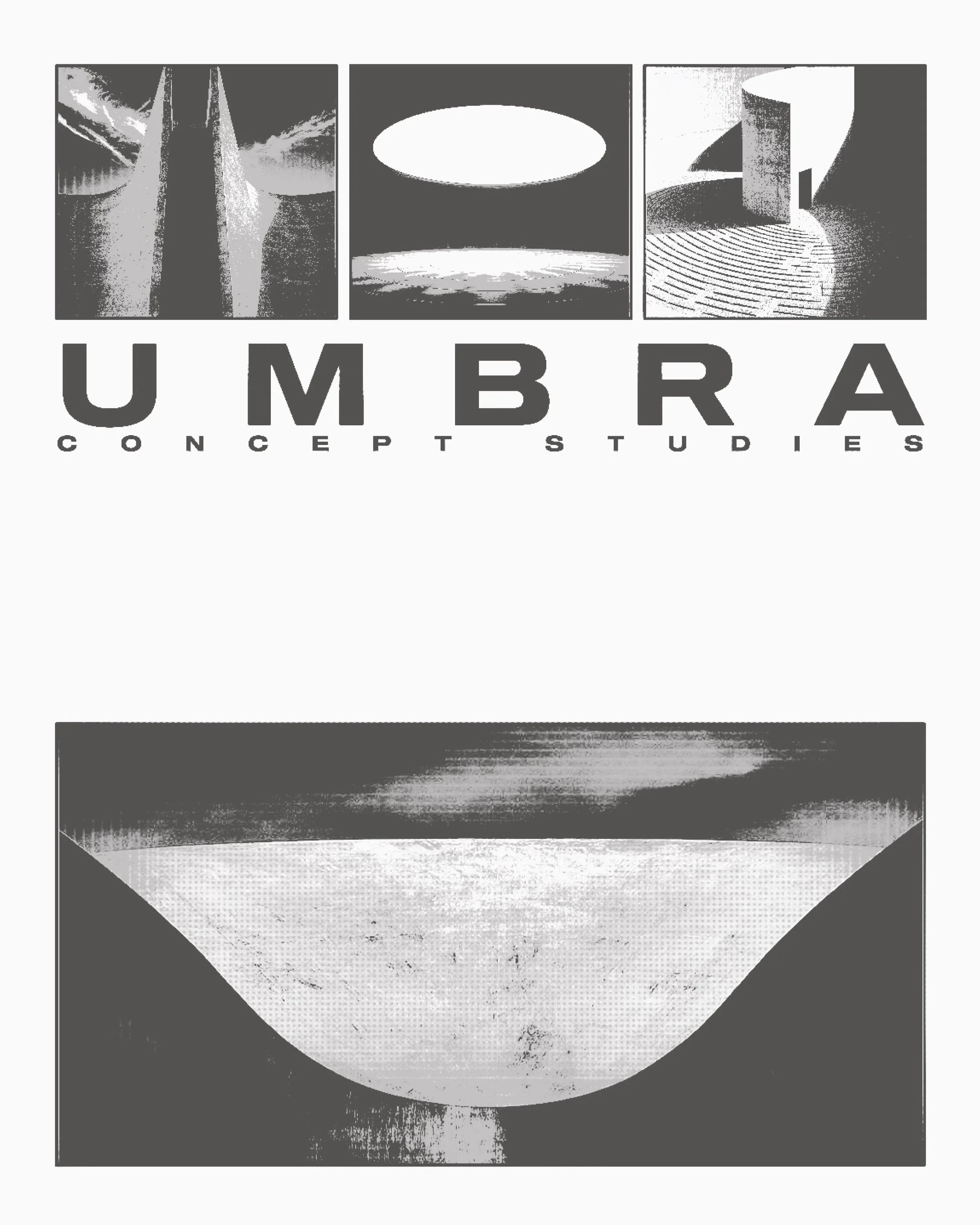
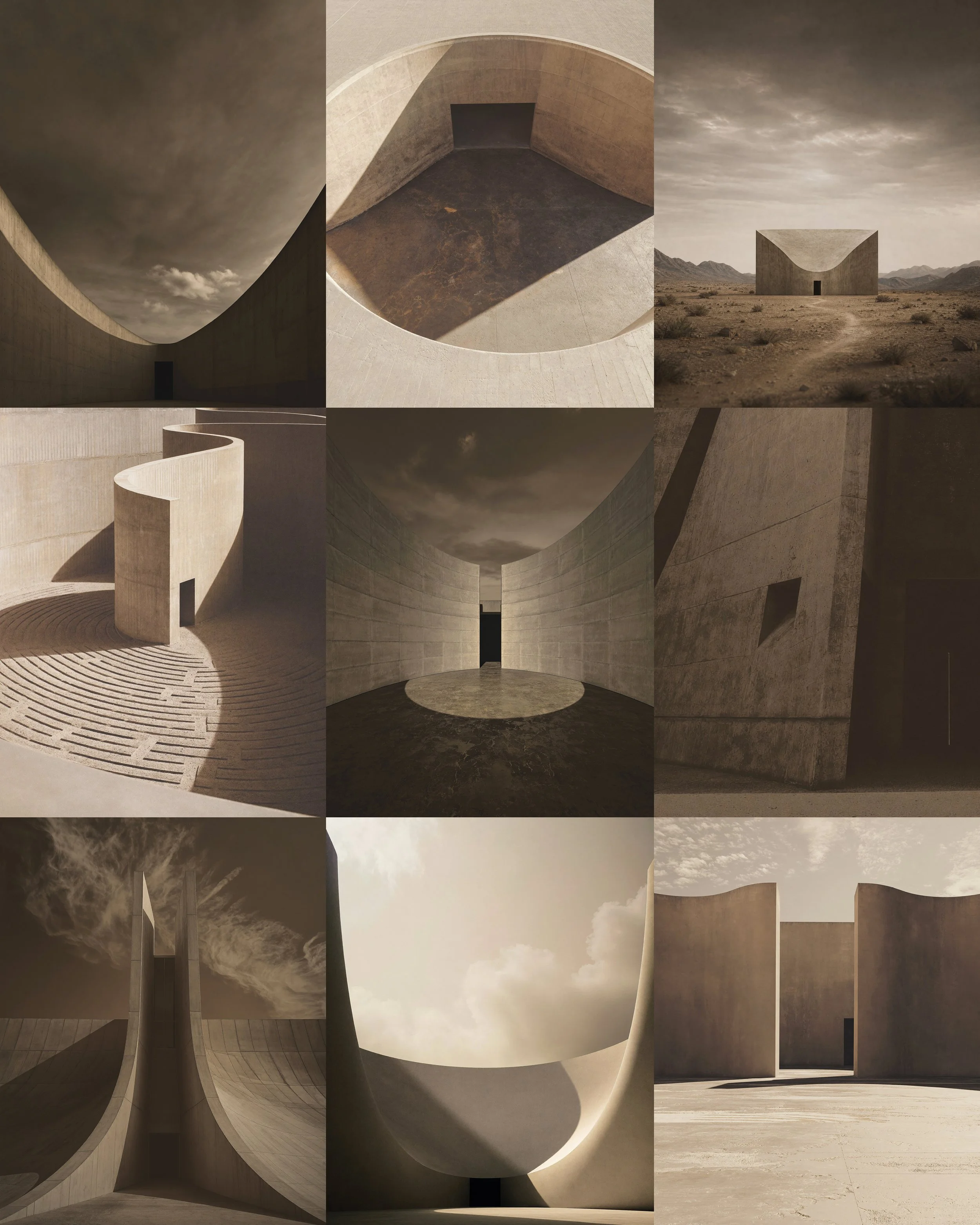
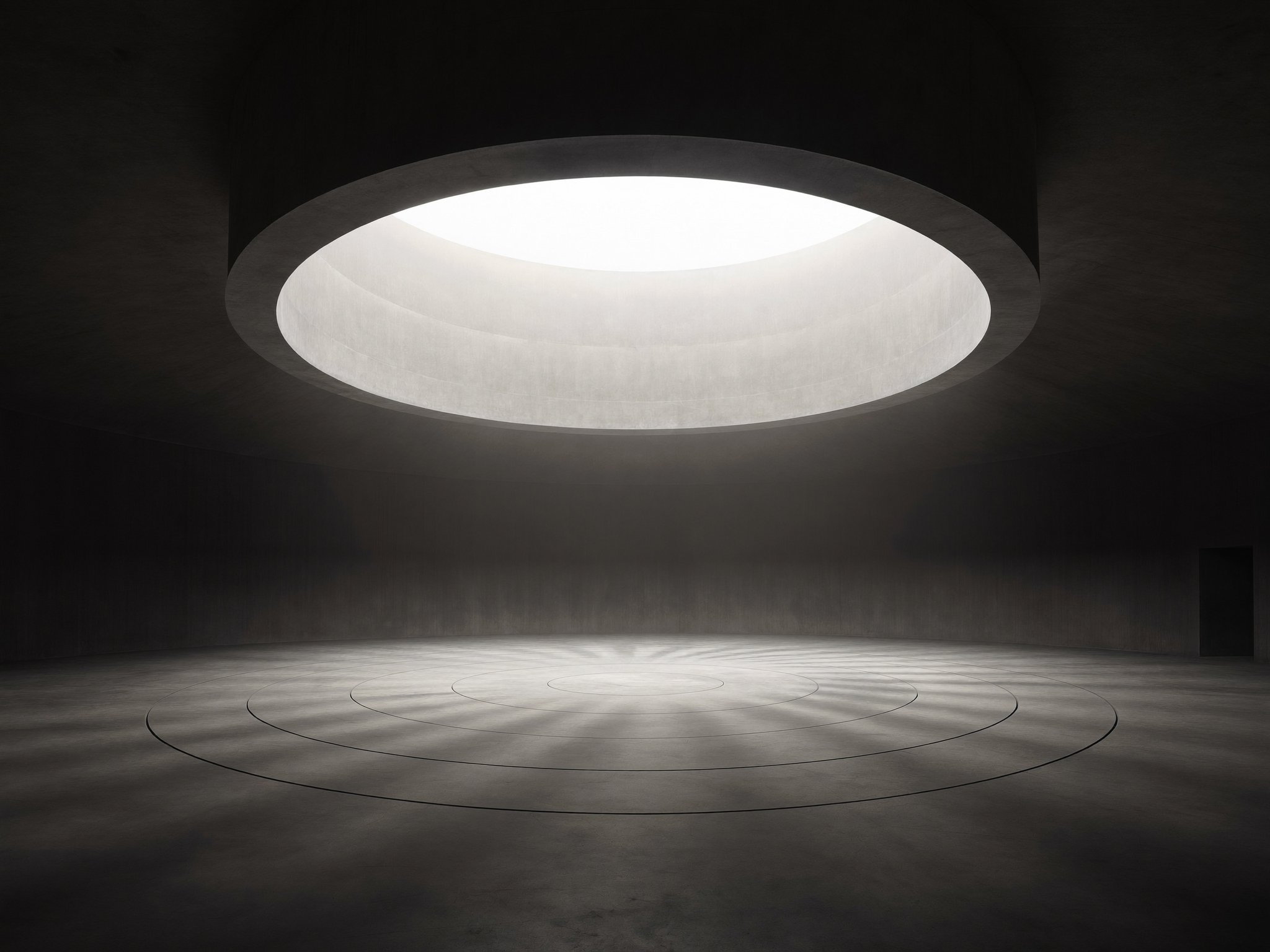
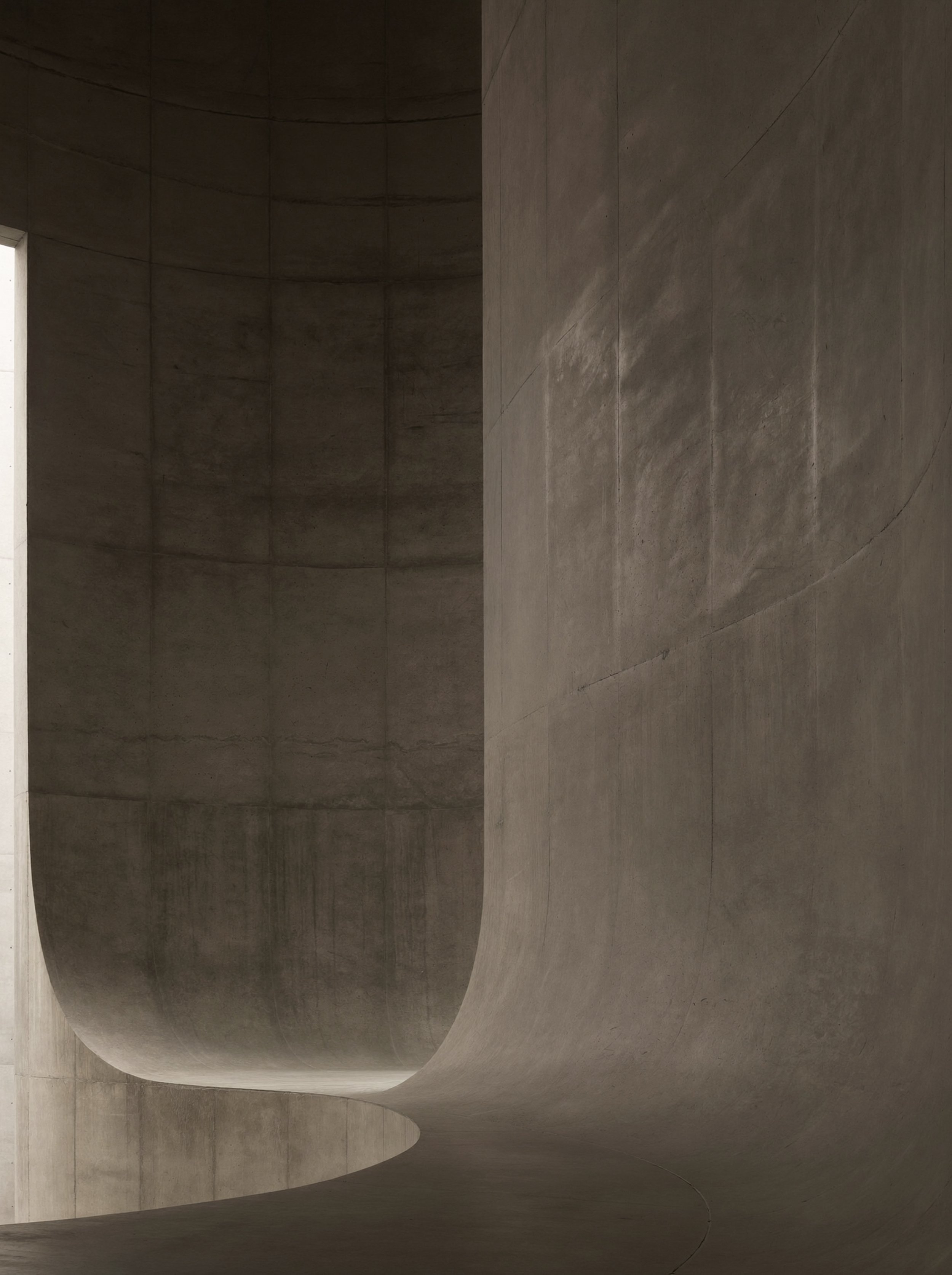
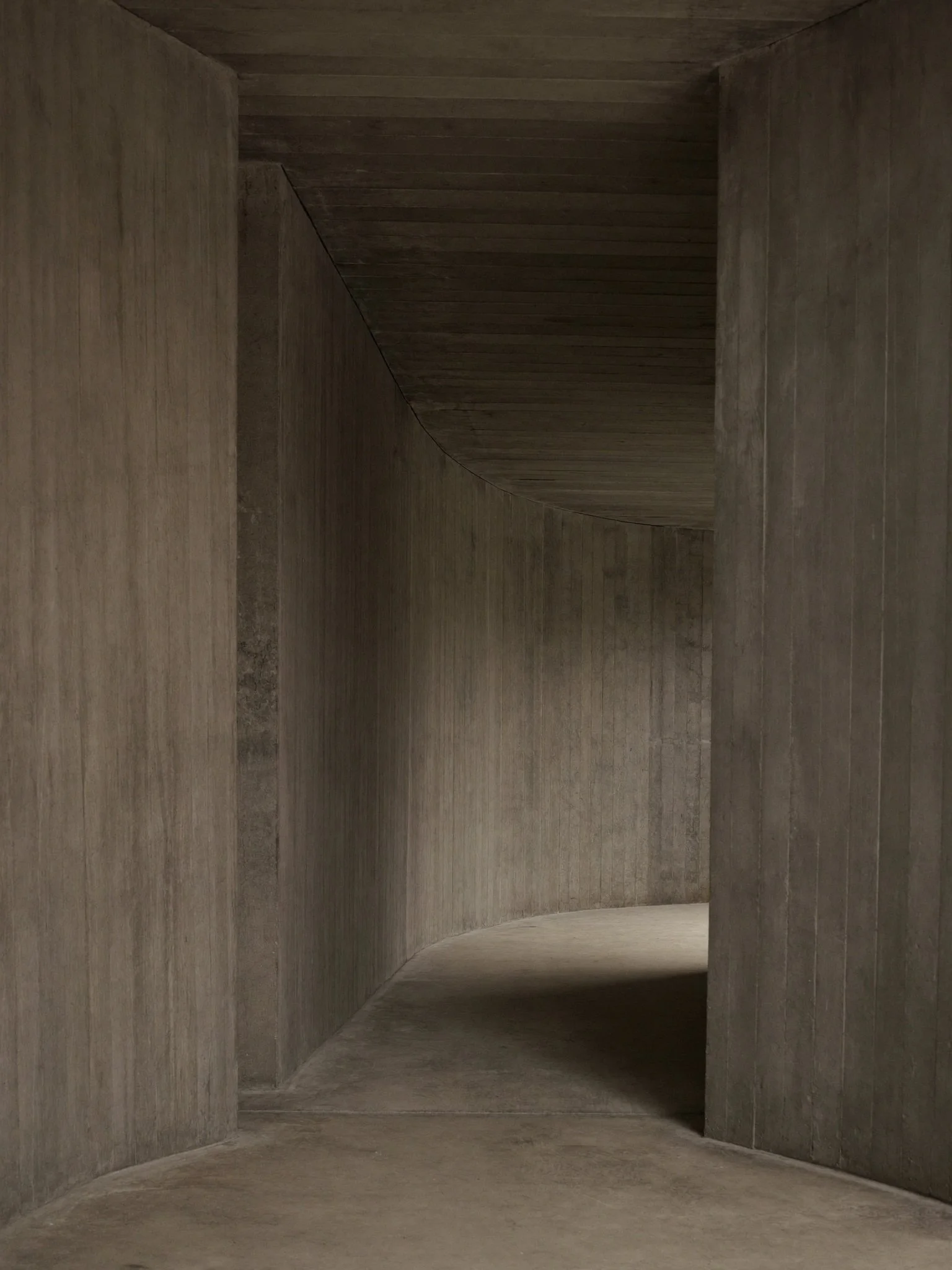
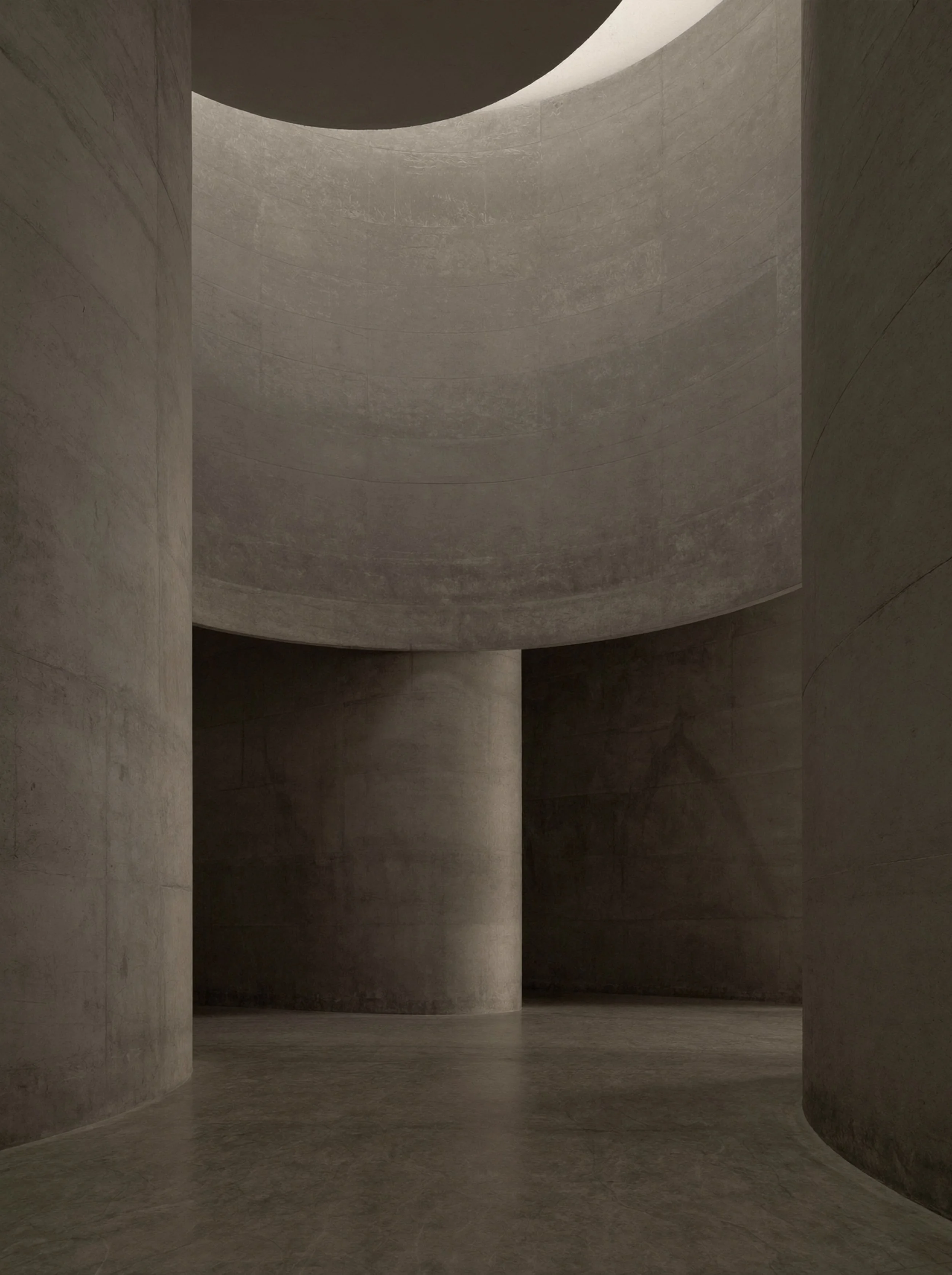
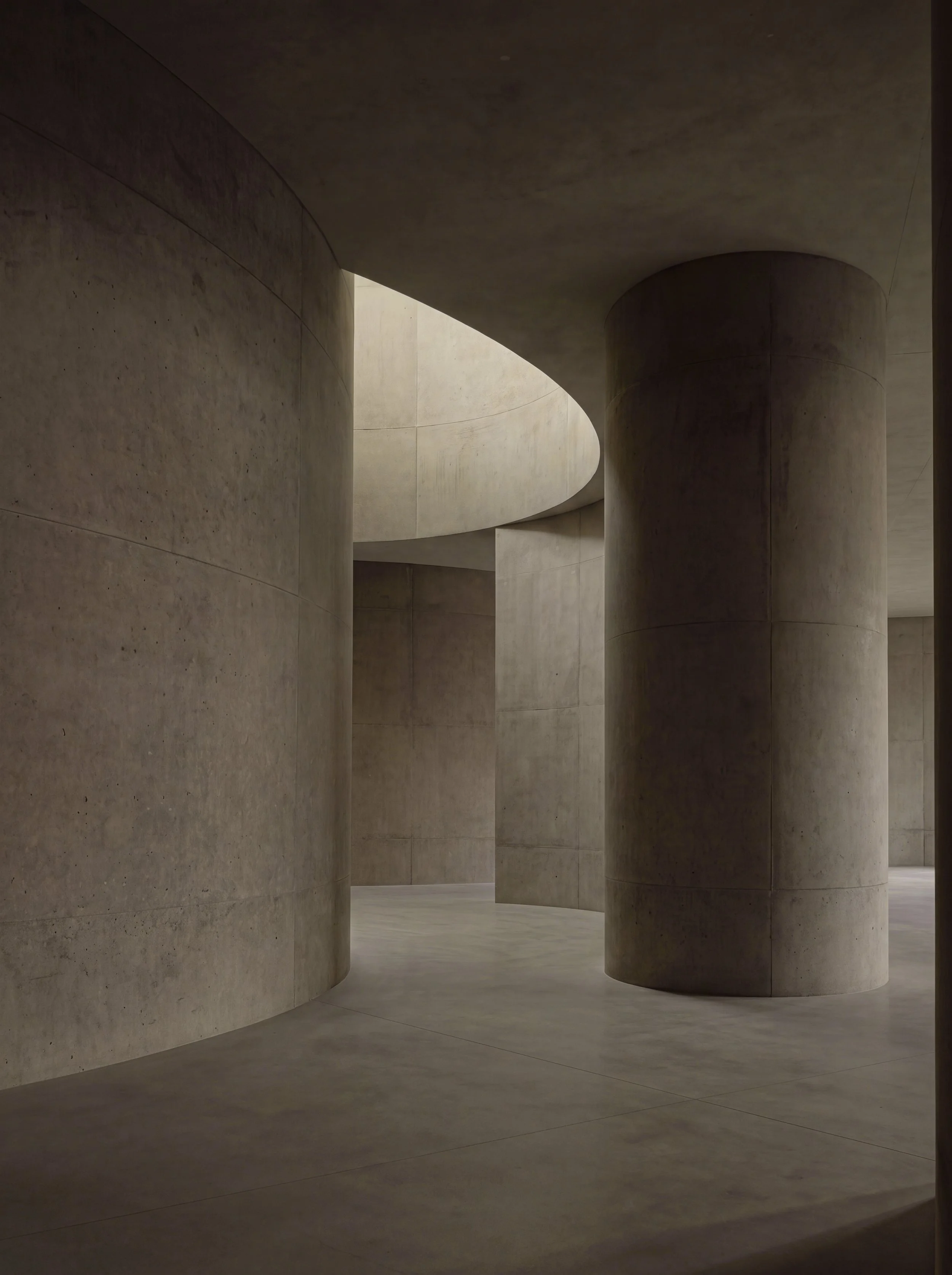
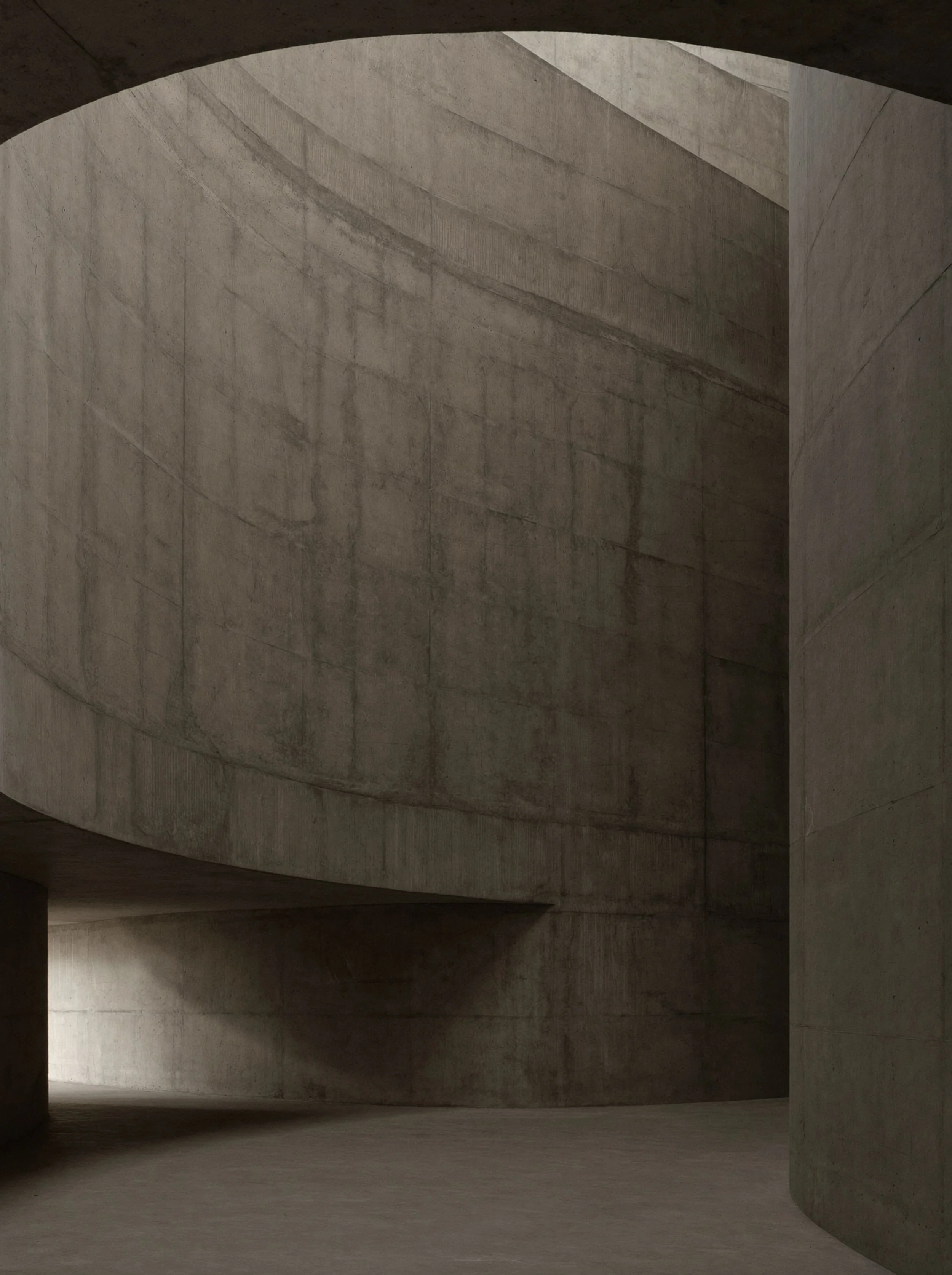
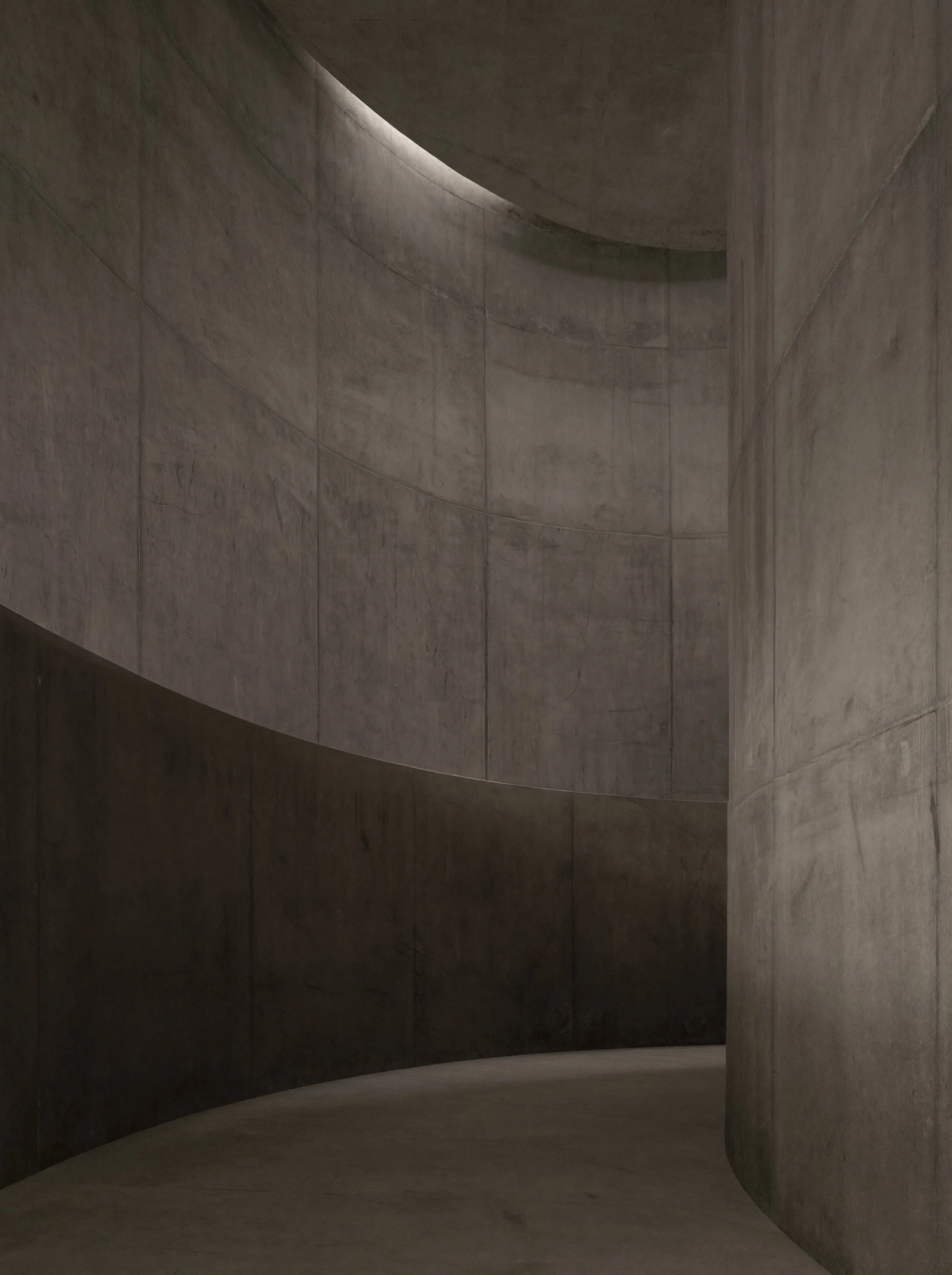
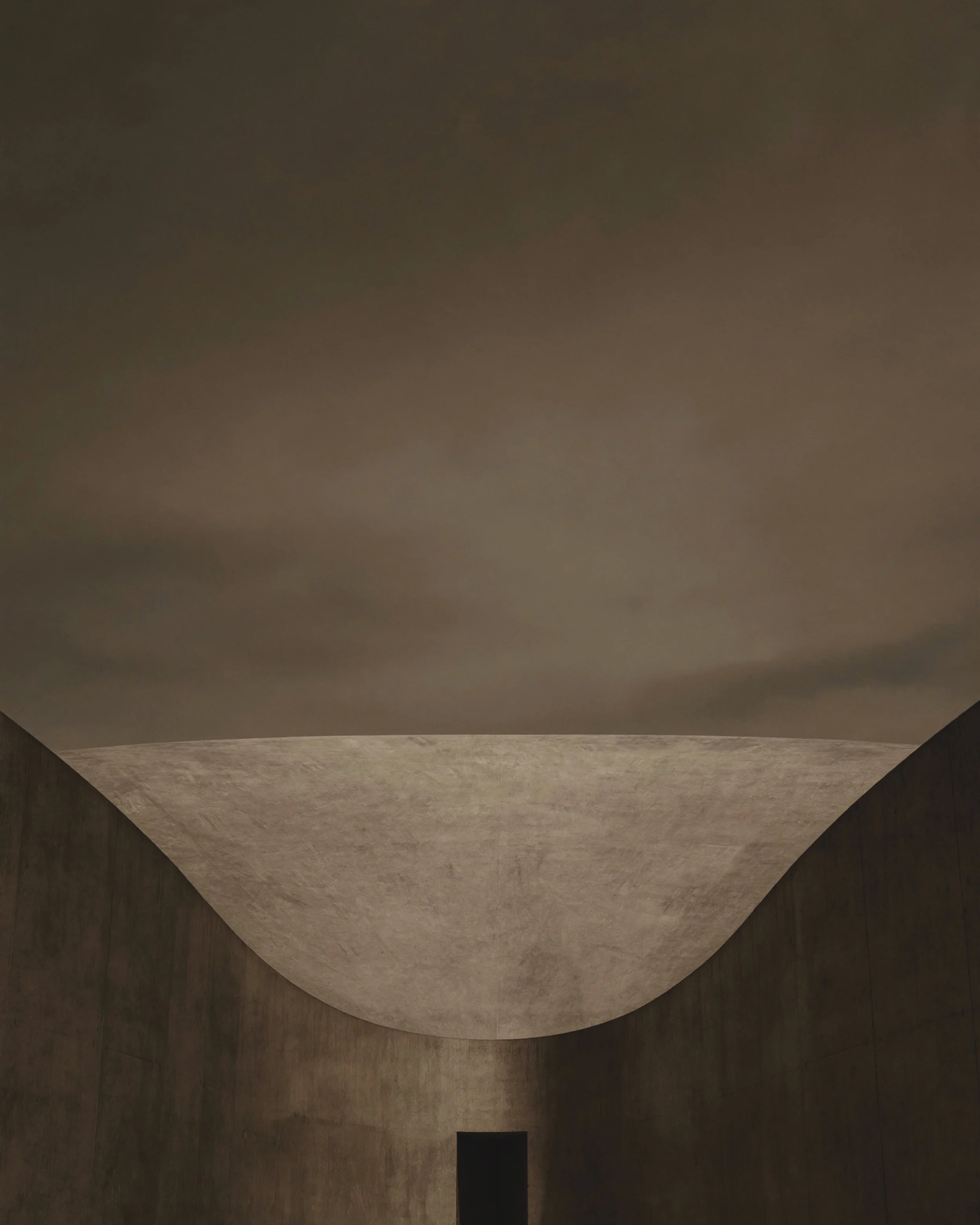
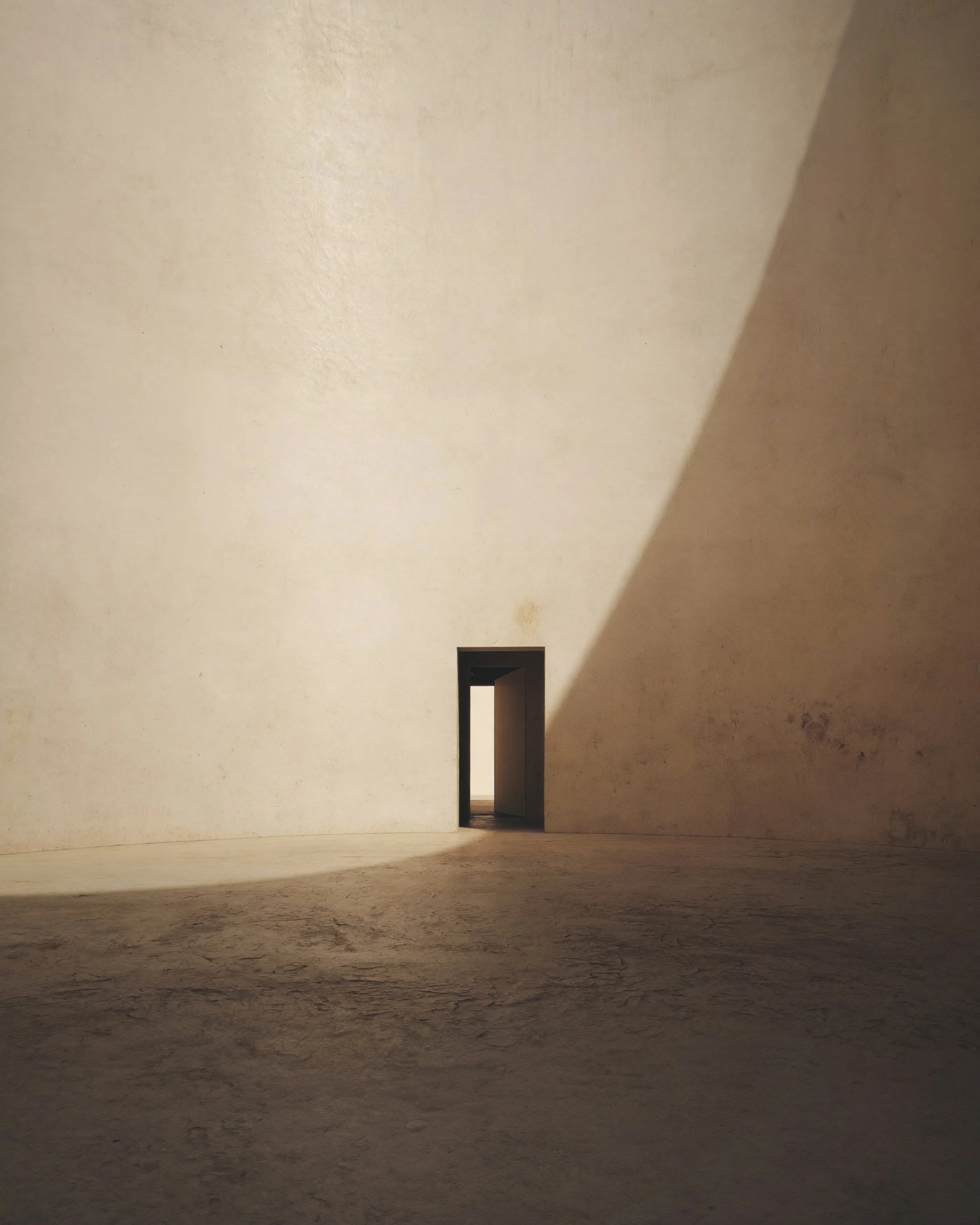
The second setting moves into a completely fictional environment generated with the help of AI. A dystopian and monumental architectural world was developed, combining atmospheric exterior landscapes with immersive interior spaces.
Rather than functioning simply as a backdrop, the environment was designed as an extension of the object's visual language, vast, mysterious and slightly unsettling, with Umbra acting as a recurring element within the world.
The Character-
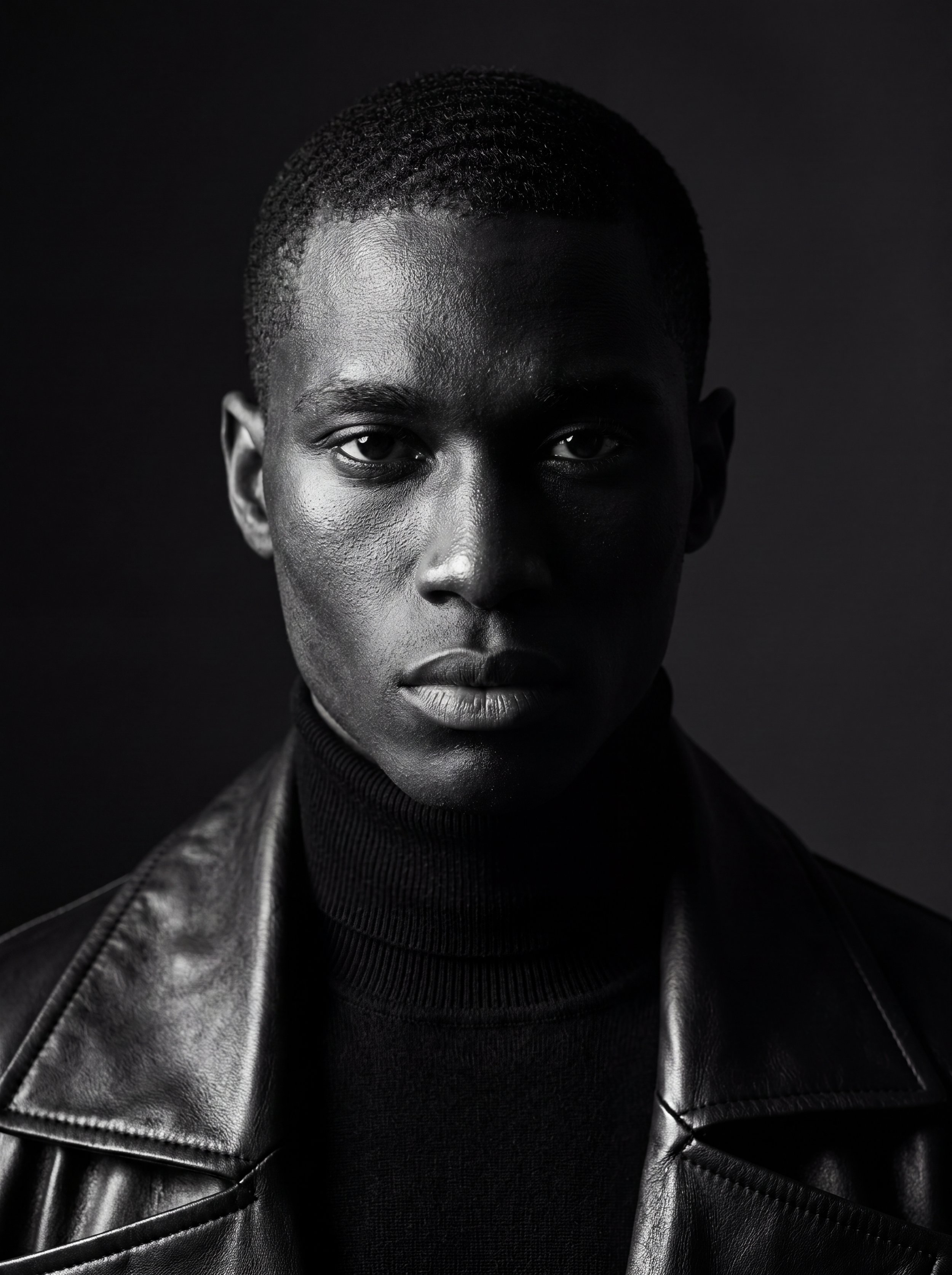
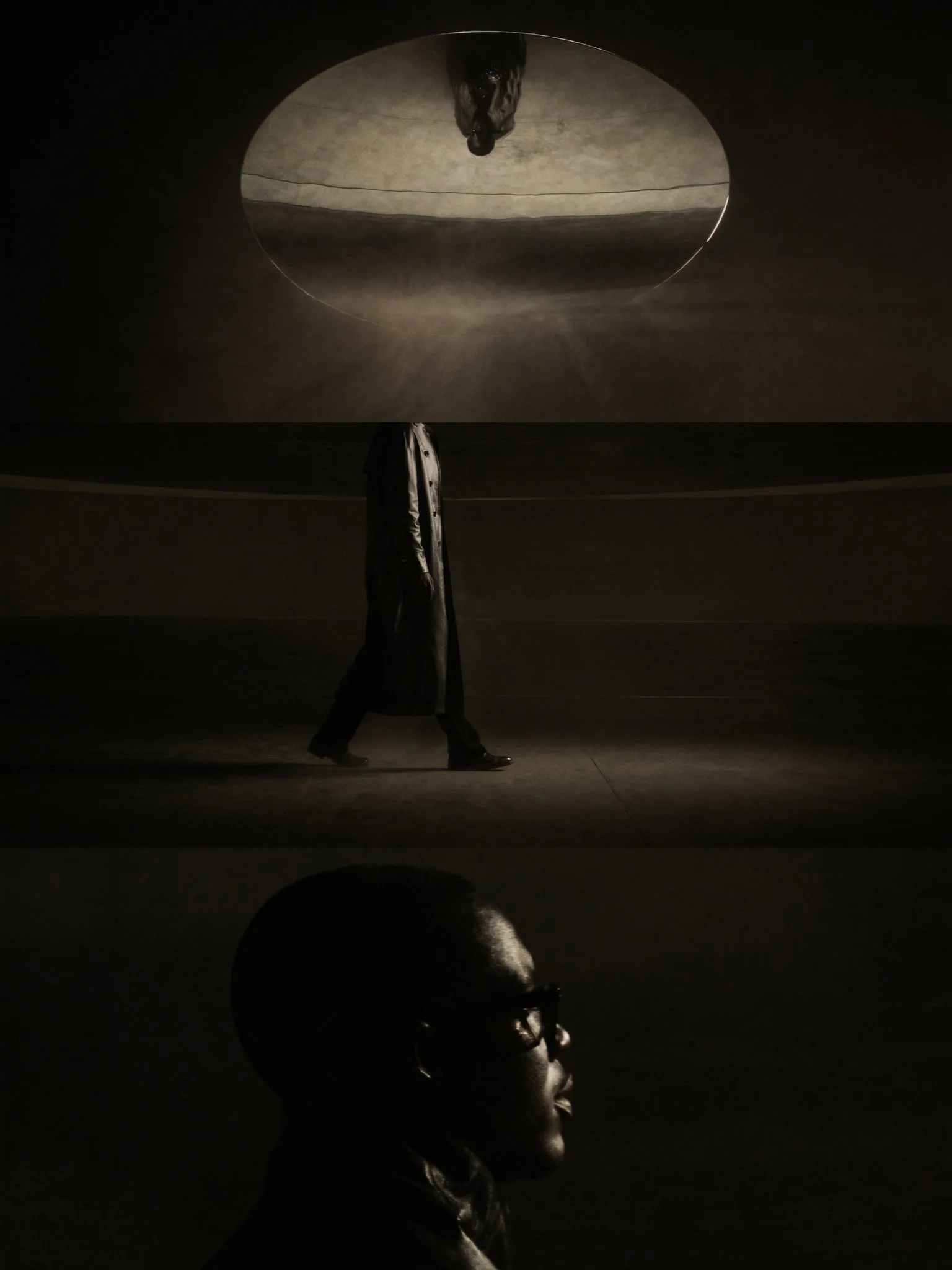
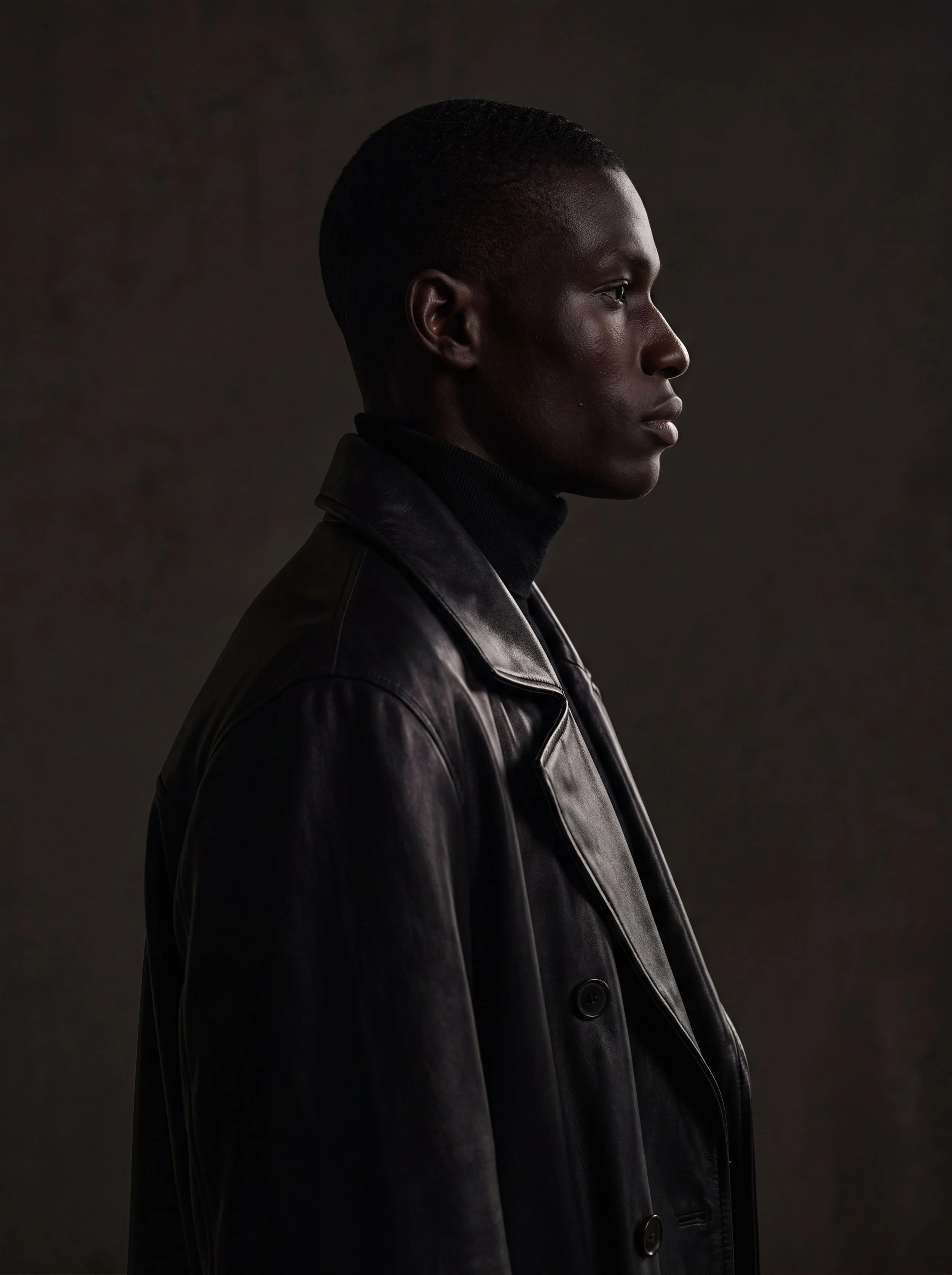
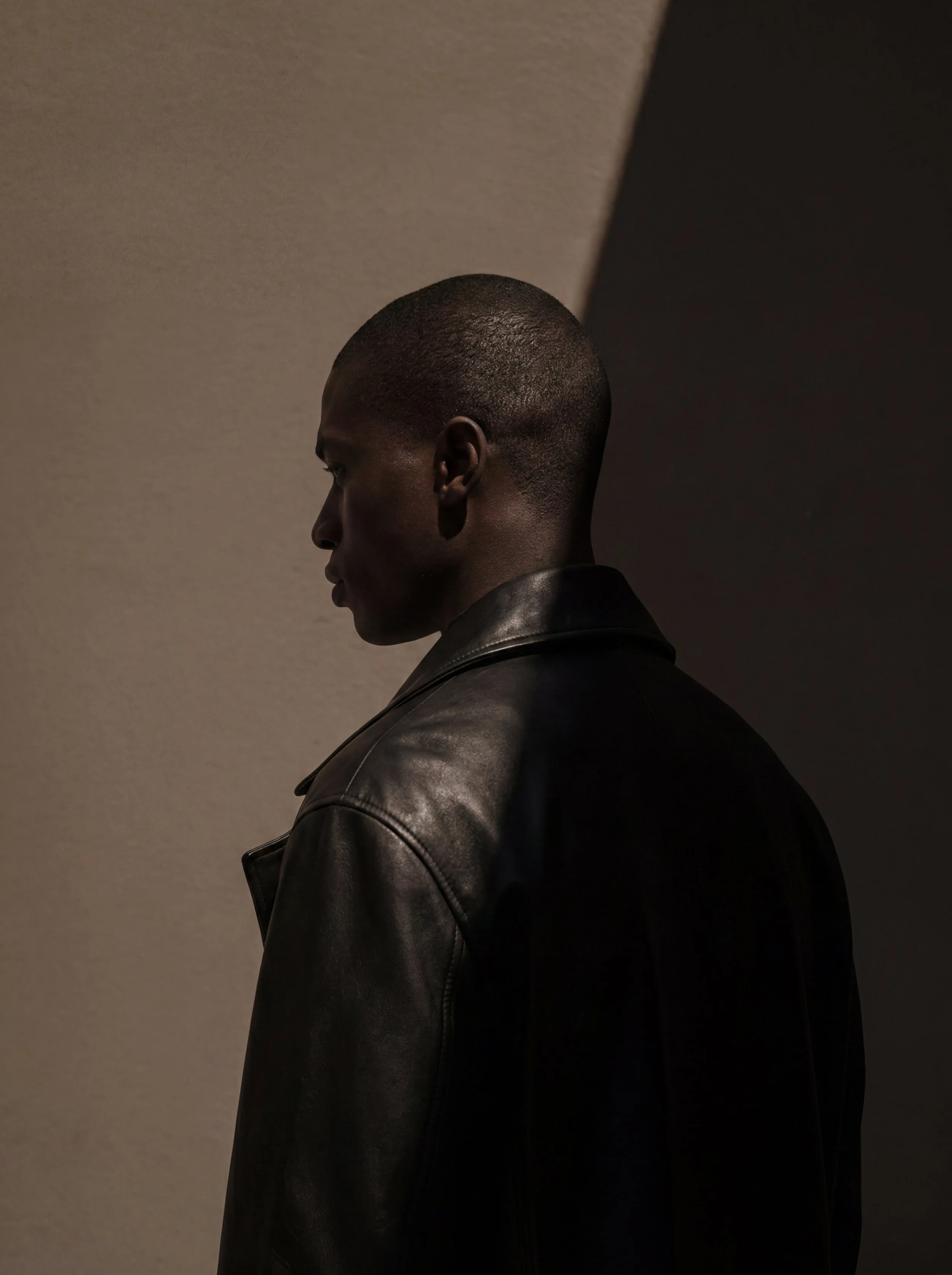
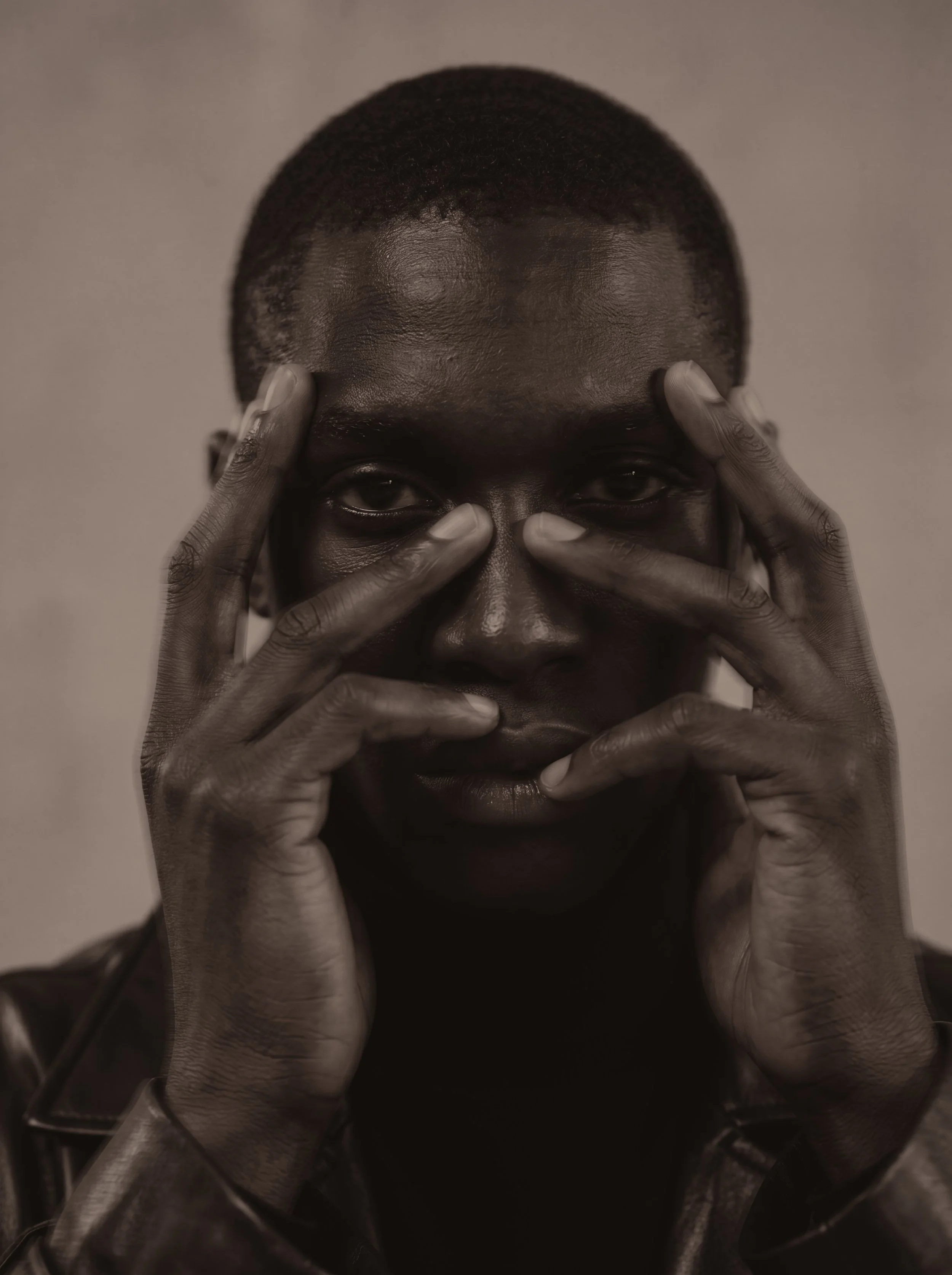
Before developing the final scenes, the character appearing within the fictional environment was developed independently using AI.
Multiple character variations were generated and explored before selecting a final direction. The chosen character was then developed through a series of close-up portraits, full-body studies and fashion-editorial images, establishing a consistent visual identity for the project.
Building the Space-
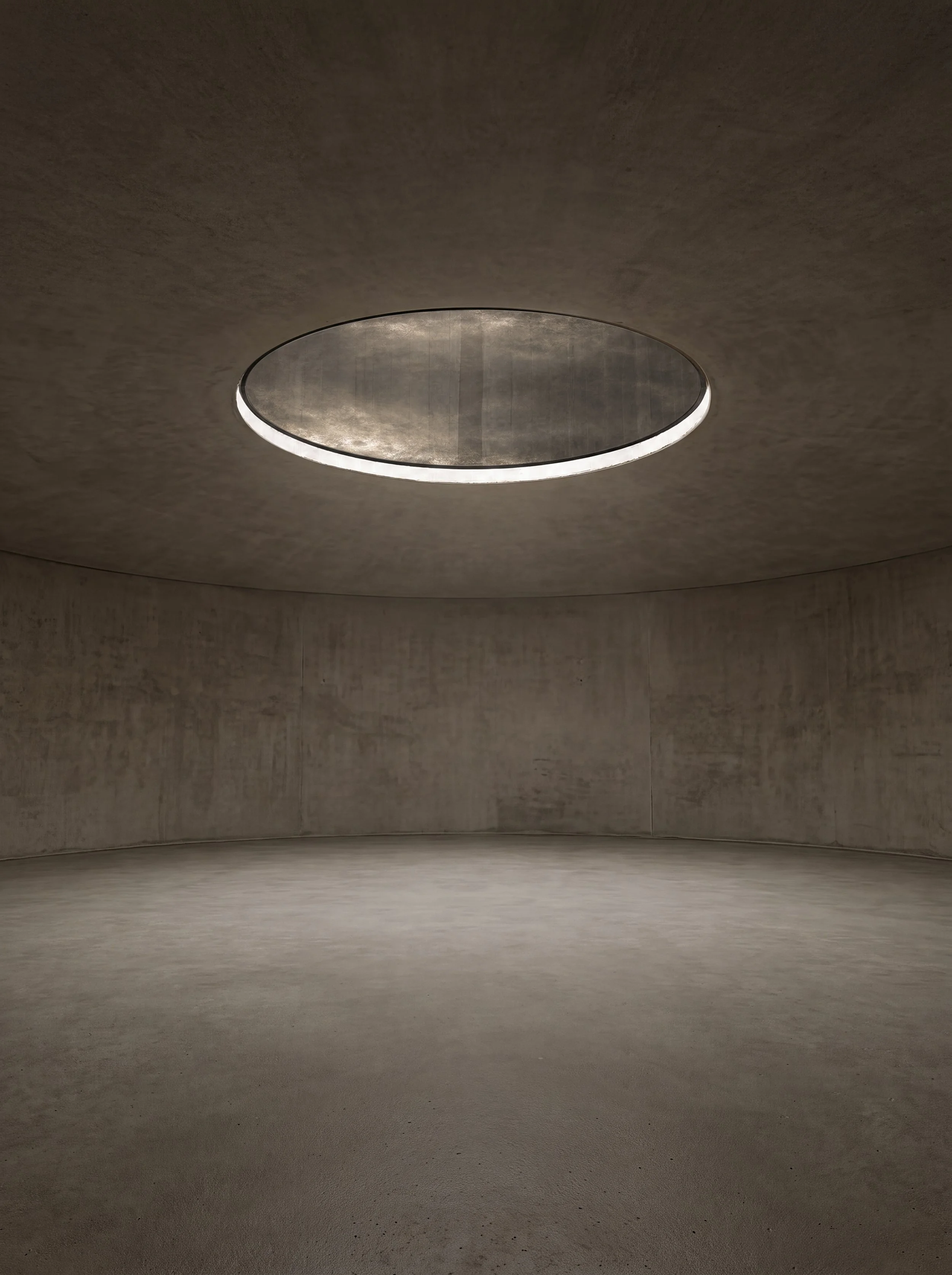
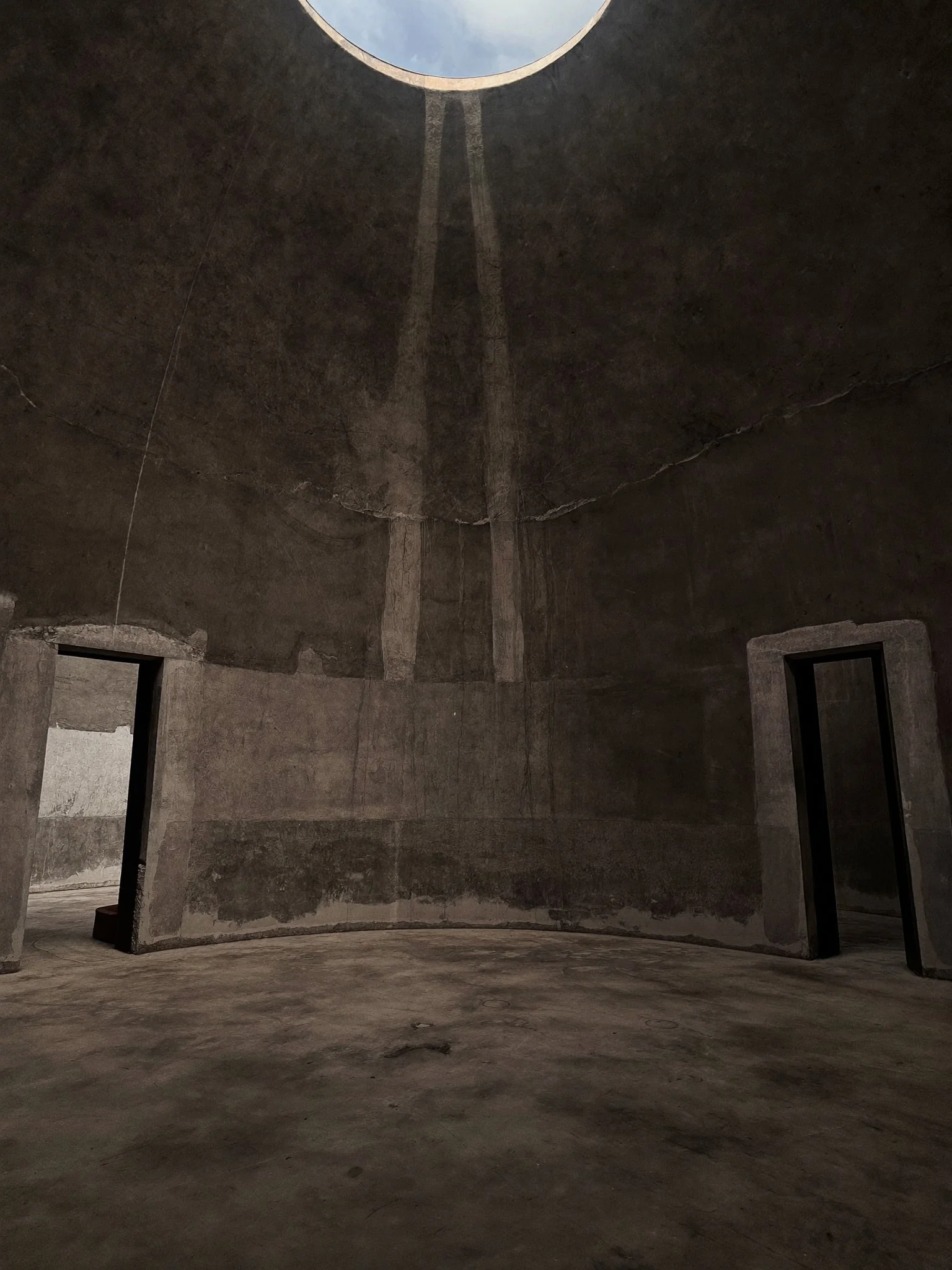
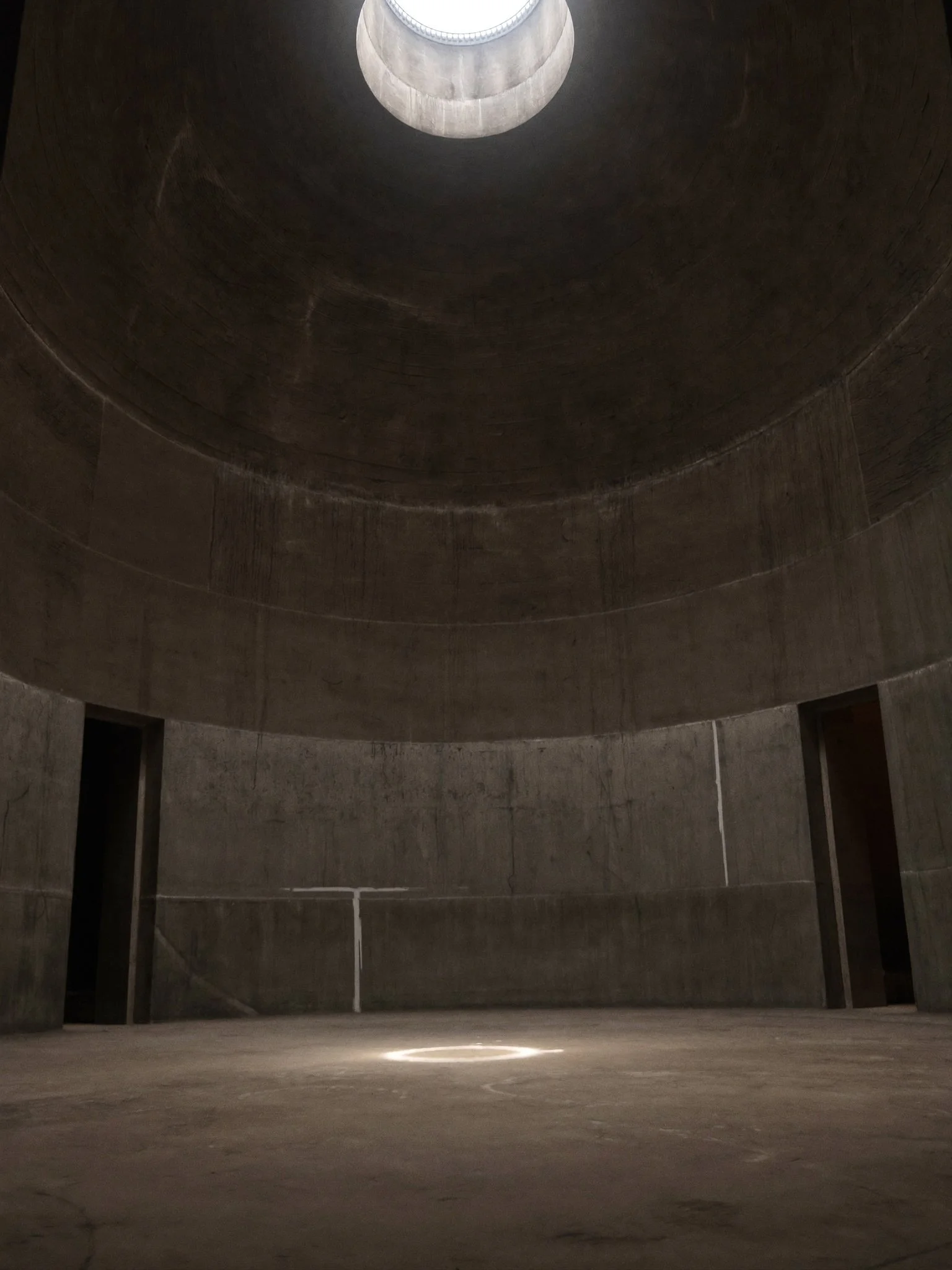
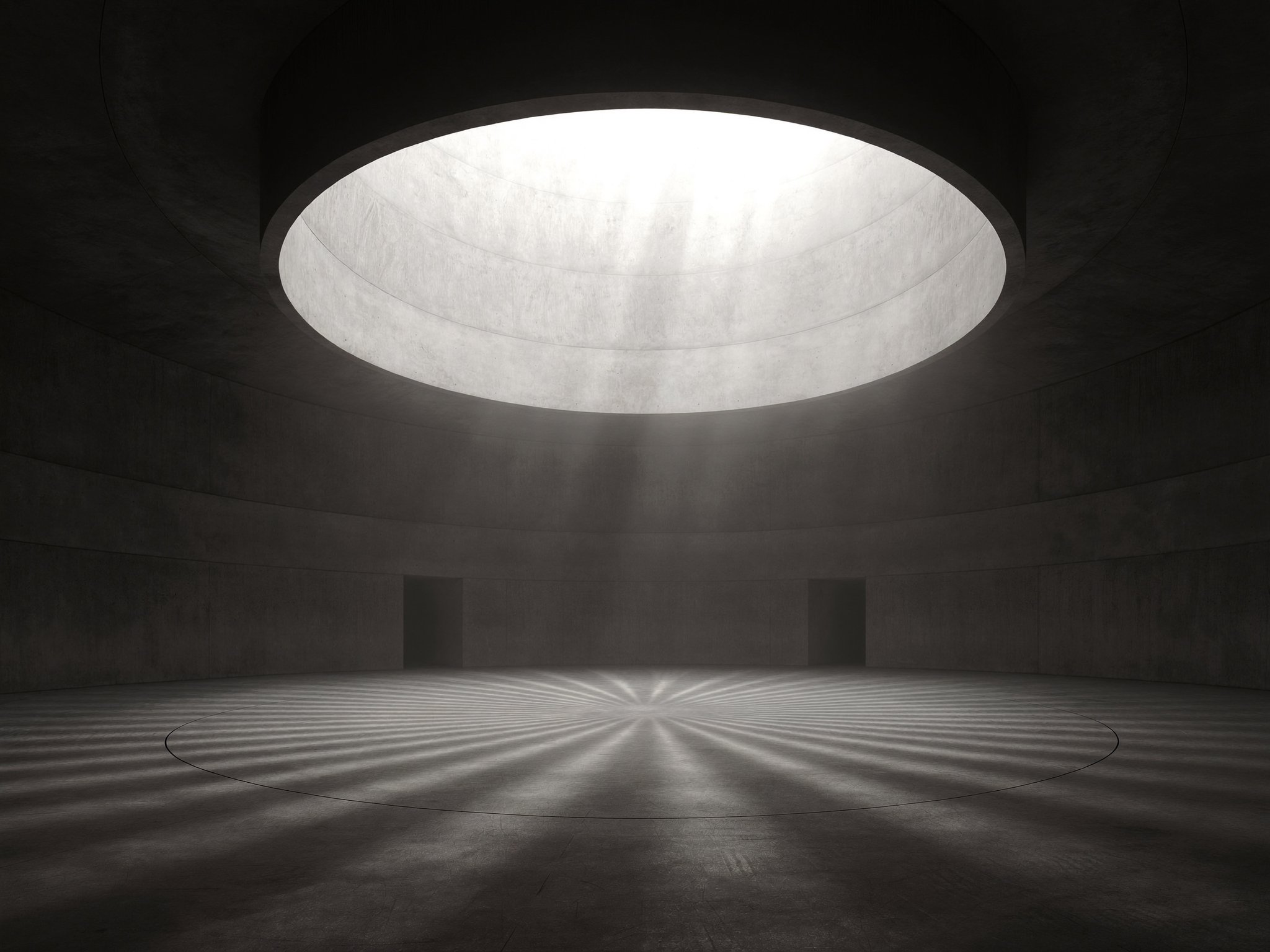
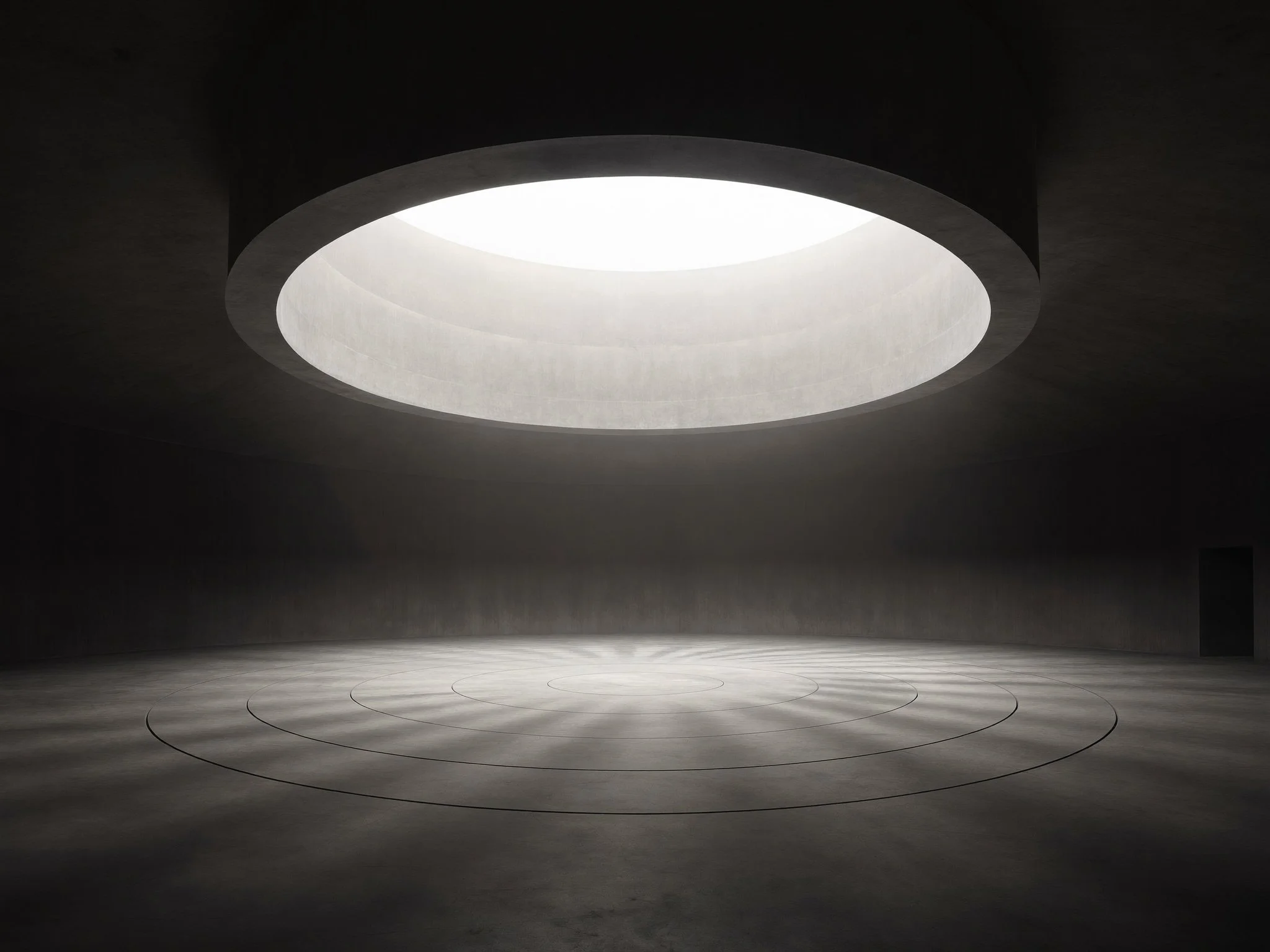
The fictional environment was developed progressively. Initial explorations focused on generating conceptual views from different points within the imagined space, allowing the overall architectural language and atmosphere to evolve.
Once the visual direction was established, specific locations and camera positions were defined and developed as fixed scenes. These final environments then became the basis for the moving-image production.
From Still Images to Motion-
The fixed scenes were transformed into short AI-generated video clips, introducing movement, atmosphere and subtle changes within the environments.
The individual clips were then edited together into a final sequence, creating a continuous visual narrative that moves between different spaces, perspectives and moments.
Umbra Within the Environment-
Throughout the fictional world, Umbra appears selectively within the architecture. In some scenes it functions as a clearly identifiable object, while in others it becomes partially integrated into the environment, interacting with light, reflections and surrounding forms.
This allows the surface to move between being an object within the space and becoming part of the space itself, reinforcing the central idea of Umbra as something existing between presence and absence.